Most people don’t realise this, but there’s a very real chance money is leaving your account right now for apps you don’t use, don’t remember, and may not even have installed anymore.
This quietly costs people hundreds every year because app subscriptions are designed to survive after attention is gone. Not after value is gone. After attention.
If you’ve ever started a free trial, downloaded a “helper” app, tapped “continue” to unlock something quickly, or upgraded your phone without checking settings, you’re already at risk.
Here’s the part companies don’t want you to connect:
Subscriptions don’t need your permission every month.
They only need your silence once.
That silence compounds.
£3.99 becomes background noise.
Background noise becomes permanence.
If you haven’t manually checked your subscriptions recently, you are almost certainly paying for something you would cancel immediately if you noticed it today.
And the longer you wait, the more money disappears quietly.
Why This Problem Makes Companies So Much Money

This isn’t user error. It’s design.
Subscription businesses make their best money from people who:
- Signed up once
- Stopped using the service
- Forgot it existed
- Never got reminded
That’s not a side effect. That’s the sweet spot.
The model works because:
- Sign-up is instant
- Cancellation is buried
- Prices are kept just low enough to ignore
- Billing is automatic and endless
A £6 charge doesn’t feel urgent.
A £6 charge every month for three years is £216 for nothing.
Multiply that by:
- Old free trials
- Duplicate apps
- Replaced services
- “Just in case” subscriptions
And you’re quietly funding an industry that depends on you not checking.
The Fastest Way to Stop the Bleeding
1. Open Your App Store Subscriptions — This Is Where They Hide
Your app store holds a master list of everything still charging you.
Not what you use.
Not what’s installed.
What’s billing.
Go there now and scan it line by line.
Ask one ruthless question:
“If this asked me for money today, would I agree?”
If the answer isn’t instant — cancel it.
This single step wipes out most hidden subscriptions because it attacks the exact place designed to be ignored.
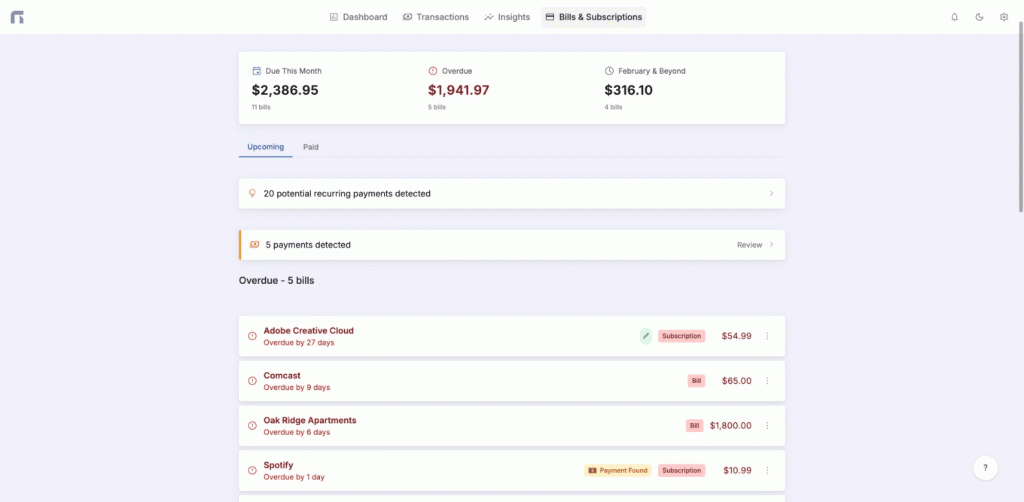
2. Treat Your Bank Statement Like a Leak Report
Most people look at totals. That’s useless.
Instead, look for:
- Repeating monthly amounts
- Small, boring charges
- App-store or generic merchant names
Subscriptions survive because they don’t feel dramatic.
Anything you can’t explain instantly is already costing you more than you think.
3. Search Your Email for the Agreements You Forgot
Subscriptions leave receipts. They rely on you never looking back.
Search:
- “Subscription”
- “Trial”
- “Receipt”
- “Welcome”
You’ll find services you didn’t consciously keep — because keeping them didn’t require action.
4. Cancel Where the Money Leaves — Not Where the App Lives
Deleting an app does nothing.
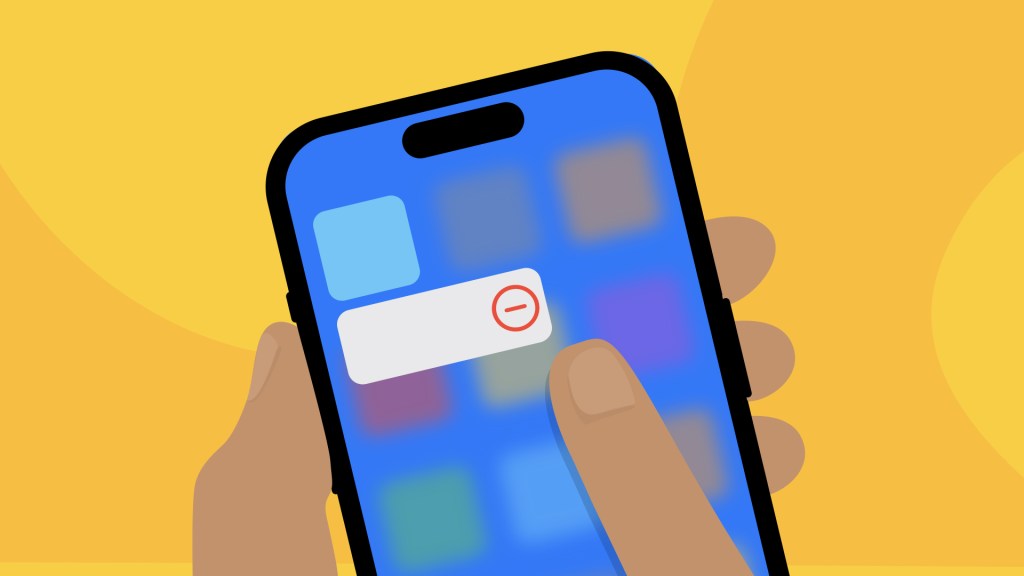
This is one of the most profitable misunderstandings in modern software.
If you didn’t cancel at the payment source and see a confirmation date, the billing is still active.
No confirmation = no cancellation.
5. If You’re Busy, This Is Exactly Why You’re Losing Money
Here’s the uncomfortable truth:
If you’re overloaded, forgetful, or hate admin, you are the ideal subscription customer.
That’s not accidental.
Subscription-tracking tools exist because:
- People forget
- Reminders get missed
- Renewals happen silently
- One missed check = another month paid
These tools don’t magically save money.
They remove the single condition subscriptions rely on: forgetting.
For many people, one scan reveals more waste than years of “being careful” ever prevented.
Common Mistakes That Keep You Paying Forever
- “It’s only a few quid”
- “I might need it again”
- “I’ll cancel next month”
- “I deleted the app already”
- “It’s not worth the effort”
Subscriptions don’t need your approval forever.
They just need you to delay disapproval.
Tools and Services That Break the Subscription Model
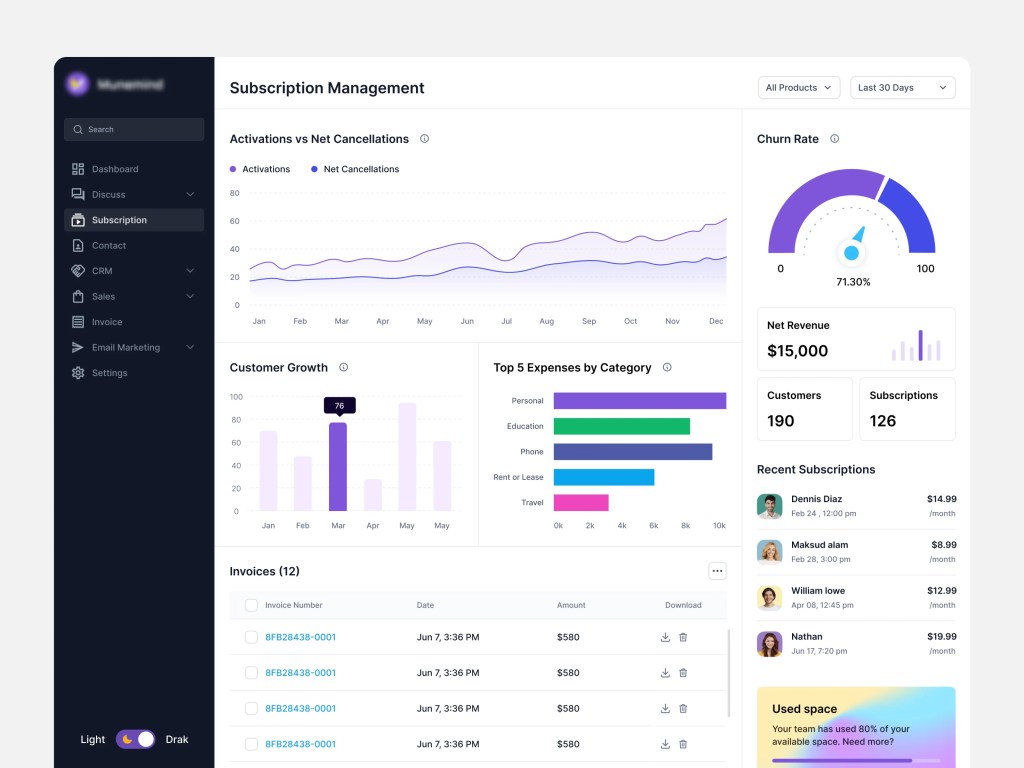
Anything that adds visibility threatens subscription profit.
That’s why:
- Subscription managers show totals you were never meant to calculate
- Finance dashboards flag patterns you were meant to ignore
- Cancellation services remove friction companies rely on
You’re not paying for convenience.
You’re paying to stop the same mistake from repeating quietly.
For people with lots of subscriptions, these tools often pay for themselves the first time they’re used.
How to Make Sure This Never Happens Again
You don’t need discipline. Discipline fails.
You need systems.
Do this once:
- Cancel trials immediately after signing up
- Review subscriptions every 90 days
- Default to monthly unless proven otherwise
- Treat every subscription as temporary
Companies optimise for inattention.
You need to optimise for exposure.
Quick Checklist
- Open app store subscriptions
- Cancel anything you wouldn’t re-buy today
- Scan bank statements for repeating charges
- Search email for old trials
- Confirm cancellations properly
- Set renewal reminders
- Use automation if attention is limited
FAQs
Does this actually save real money?
Yes. Most people cancel multiple subscriptions they forgot existed within minutes.
How often should this be checked?
Every 2–3 months. That’s how fast subscription creep rebuilds.
Is it worth paying for subscription-management tools?
If you’ve ever forgotten a renewal, yes. Forgetting is the most expensive behaviour here.
What happens if I ignore this?
Nothing dramatic — which is why it works. You just keep paying quietly.
Are subscriptions themselves bad?
No. Invisible ones are.
Subscription companies don’t win because their products are amazing.
They win because forgetting is human — and they built a business around it.
Once you remove forgetting, the money stops.
That’s why they don’t want you checking.
 Modern Fixes
Leave a comment