
The psychology behind ownership regret nobody explains
People Don’t Cancel Because It Feels Like Damage
Not loss.
Not inconvenience.
Damage.
The moment you cancel, it feels like you’ve broken something that used to work.
And here’s the uncomfortable truth:
That feeling didn’t happen by accident — it was designed.
This Is the Shift Most People Miss
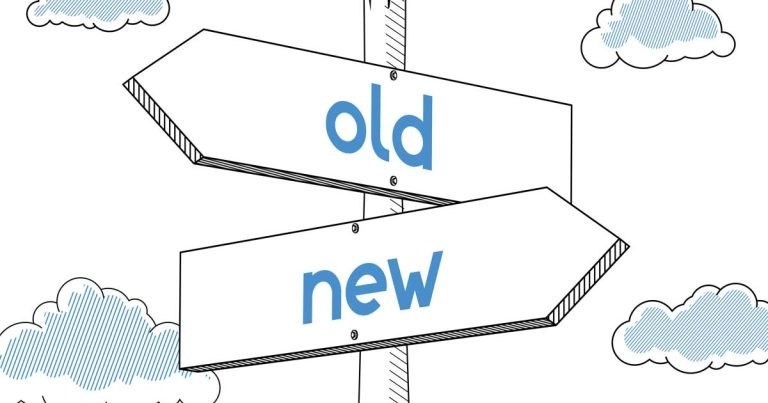
Old products worked like this:
Buy → Use → Fix → Replace
Modern products work like this:
Buy → Adapt → Depend → Maintain → Fear change
Subscriptions didn’t just add payments.
They changed the emotional cost of stopping.
When cancelling feels destructive, people protect the subscription — even when they resent it.
That’s the trap.
What Actually “Breaks” When You Cancel (And Why It Feels Worse Than It Is)
Here’s the trick:
Nothing fully breaks.
Instead, systems enter a degraded state.
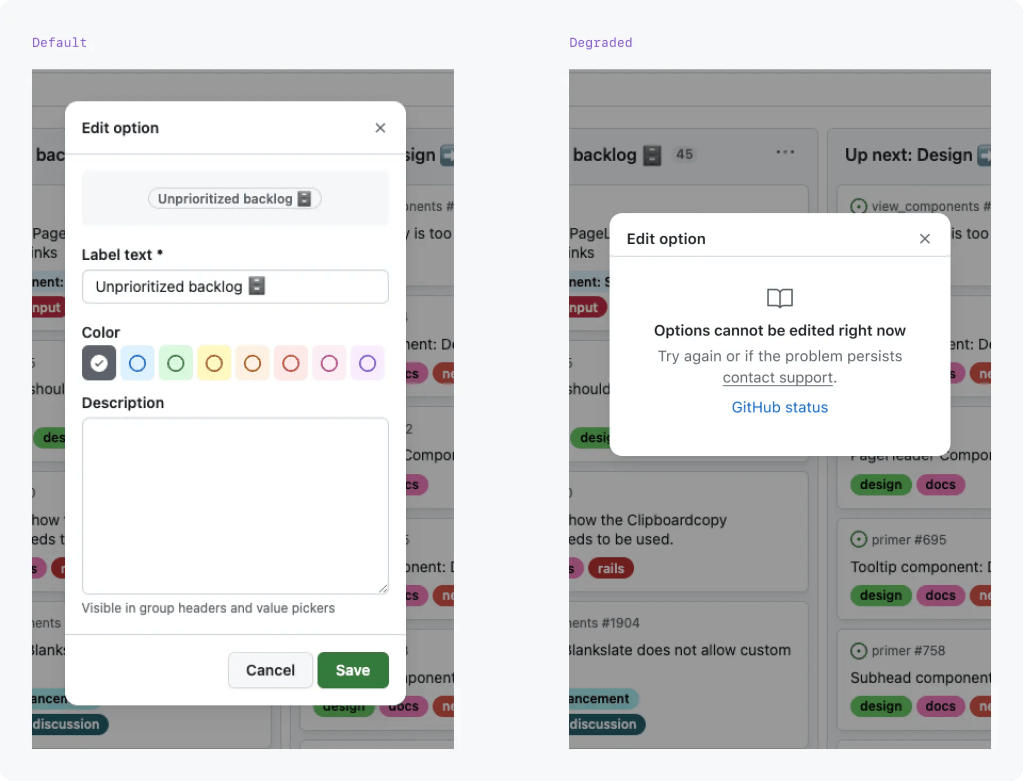
- Things still work — just slower
- Data still exists — just fragmented
- Controls still respond — just less predictably
- Alerts still arrive — just later
- Automation still runs — just inconsistently
Your brain hates this more than failure.
Because failure is clear.
Degradation is unsettling.
And unsettled people keep paying.

Why Degradation Is More Effective Than Lockouts
Lockouts make people angry.
Angry people cancel.
Degradation makes people doubt themselves.
You start thinking:
- “Is it me?”
- “Did I misconfigure something?”
- “Maybe it was never that good”
- “I’ll give it another month”
That hesitation is revenue.
The product isn’t punishing you.
It’s waiting you out.
The Psychological Switch That Keeps You Paying
Here’s the moment ownership quietly flips:
You stop asking
“Is this worth the money?”
And start asking
“What happens if I stop?”
That’s not consumer choice anymore.
That’s risk avoidance.
And risk avoidance is incredibly sticky.
Why This Hurts More for “Responsible” Owners
This model hits hardest if you:
- Keep things long-term
- Set systems up properly
- Customise and optimise
- Hate waste
- Hate friction
Ironically, the better owner you are,
the harder it becomes to leave.
Care becomes leverage.
The Exit Strategy Nobody Explains (Because It Undermines the Model)
Here’s the part companies don’t want you to hear:
You should never cancel first.
You should neutralise first.
Step 1: Replace awareness
Affiliate-friendly angle:
- Independent monitoring tools
- Local dashboards
- Offline controllers
- Third-party analytics
When visibility no longer depends on the subscription, fear collapses.
Step 2: Pull your data while it still behaves
Export. Backup. Mirror.
Subscriptions punish people who wait too long.
Step 3: Intentionally live degraded — briefly
Not accidentally.
On purpose.
This flips the psychology:
- You’re testing them, not yourself
- The downgrade becomes evidence, not fear
- Cancelling becomes relief, not loss
That’s how people finally leave cleanly.
Why This Is an Ownership Trap, Not a Subscription Problem
Subscriptions aren’t the issue.
Unclear consequences are.
If a product can’t clearly tell you what stops working when you cancel,
it’s not selling features.
It’s selling uncertainty management.
And uncertainty is the most profitable thing in modern ownership.
Final Line
If cancelling feels like breaking something,
it’s because the product was never designed to stand on its own.
You don’t own it.
You’re just maintaining calm — month by month.
 Modern Fixes
Leave a comment