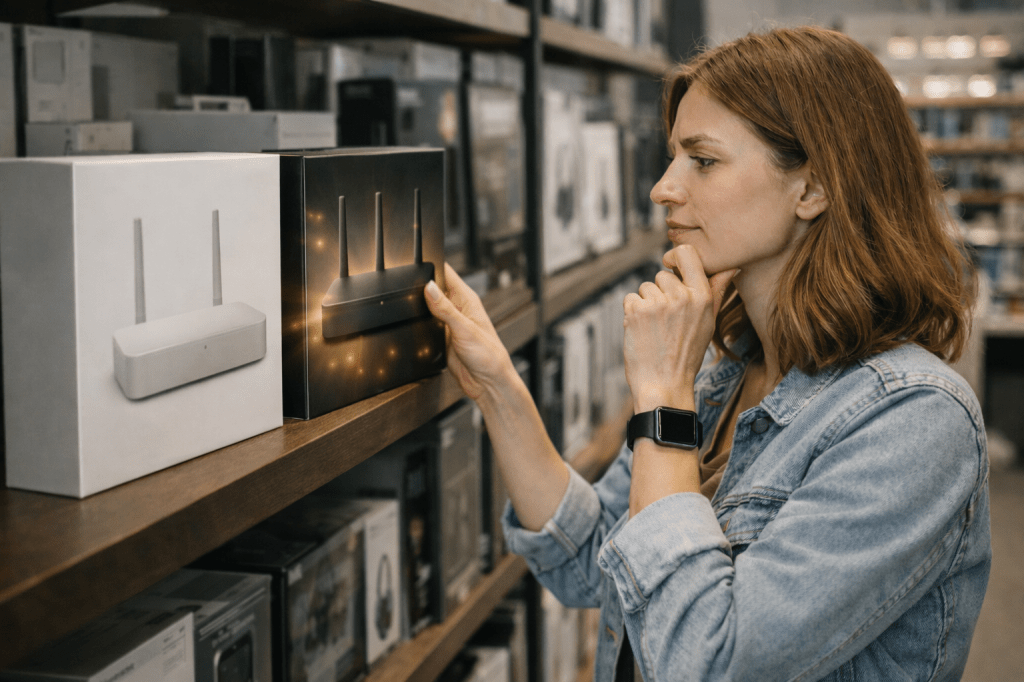
The “Same Price” Lie
“It’s the same price — you might as well take the upgrade.”
That sentence has probably cost you more money than you realise.
Not today.
Not this month.
Over years.
A bigger phone.
A smarter TV.
A higher car trim.
A faster laptop.
A premium appliance.
A feature that was “included.”
It feels like a win.
But here’s what almost nobody realises:
You didn’t just accept a better product.
You quietly raised what feels normal for you.
And once your idea of “normal” goes up, your future spending almost always follows.
Most people think prices went up.
In reality, their definition of “normal” did.
That’s the hidden cost of free upgrades.
The Upgrade Ladder (The Pattern Almost Nobody Notices)
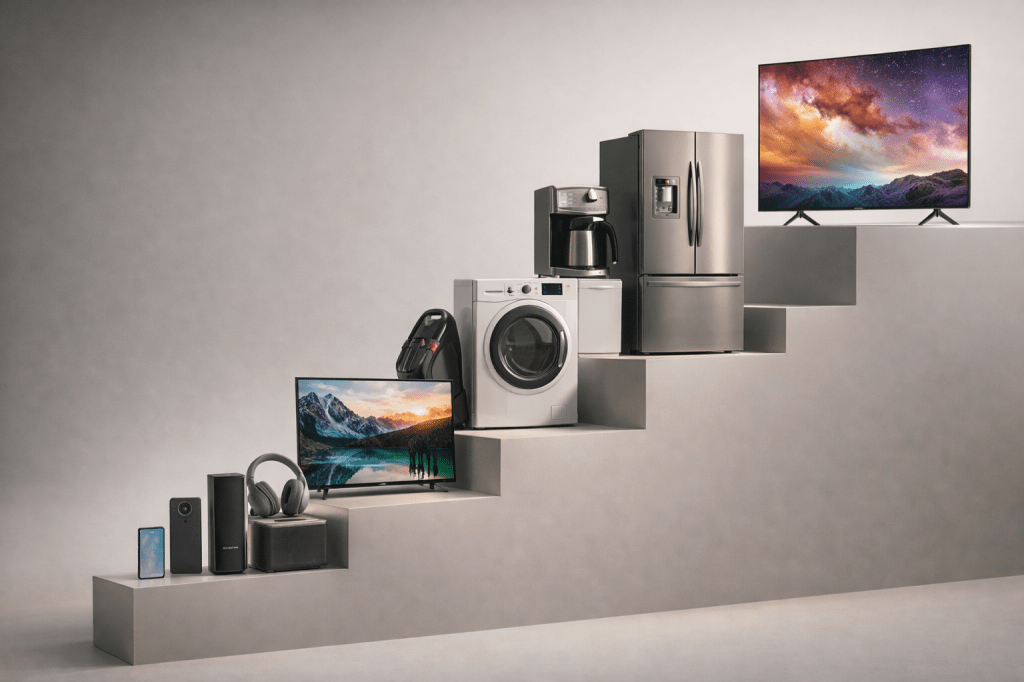
This isn’t random. It’s a repeatable pattern that plays out in millions of households.
Once you see it, you’ll recognise it everywhere.
Step 1: You accept the free upgrade
It feels logical.
Why wouldn’t you take:
• the bigger screen
• the faster model
• the smarter version
• the premium trim
• the bonus feature
Free feels like smart money.
Step 2: Your standards quietly change
After a few weeks, the upgrade stops feeling special.
It becomes normal.
Now:
• smaller feels cramped
• slower feels annoying
• simpler feels cheap
• basic feels like a downgrade
Nothing broke.
Your expectations moved.
Step 3: You stop shopping at the bottom
Next time you buy, you don’t even look at the cheapest options.
Not because you can’t afford them.
Because they now feel wrong.
You tell yourself:
“I don’t need top-of-the-line. Just something decent.”
But your idea of “decent” is now higher than it used to be.
Your spending floor just moved up.
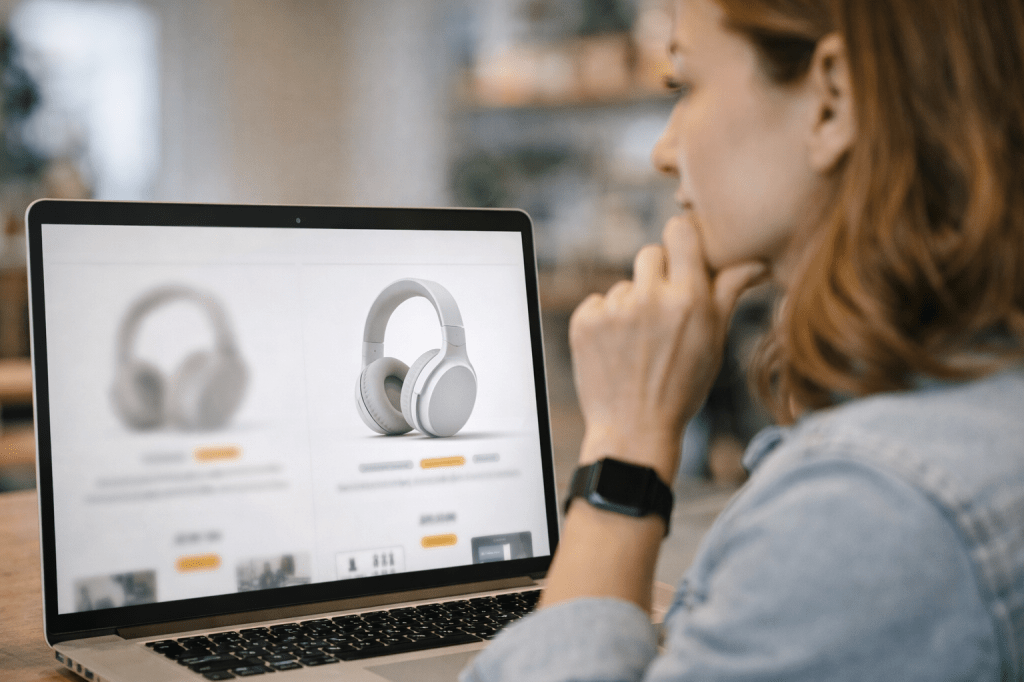
Step 4: The Accessory Tax kicks in
This is where money starts leaking quietly.
Upgrades often require:
• better chargers
• faster cables
• stronger mounts
• higher-rated power supplies
• pricier cases
• upgraded Wi-Fi
• compatible extras
Each one feels small.
Together, they add up.
This is the Accessory Tax almost nobody tracks.
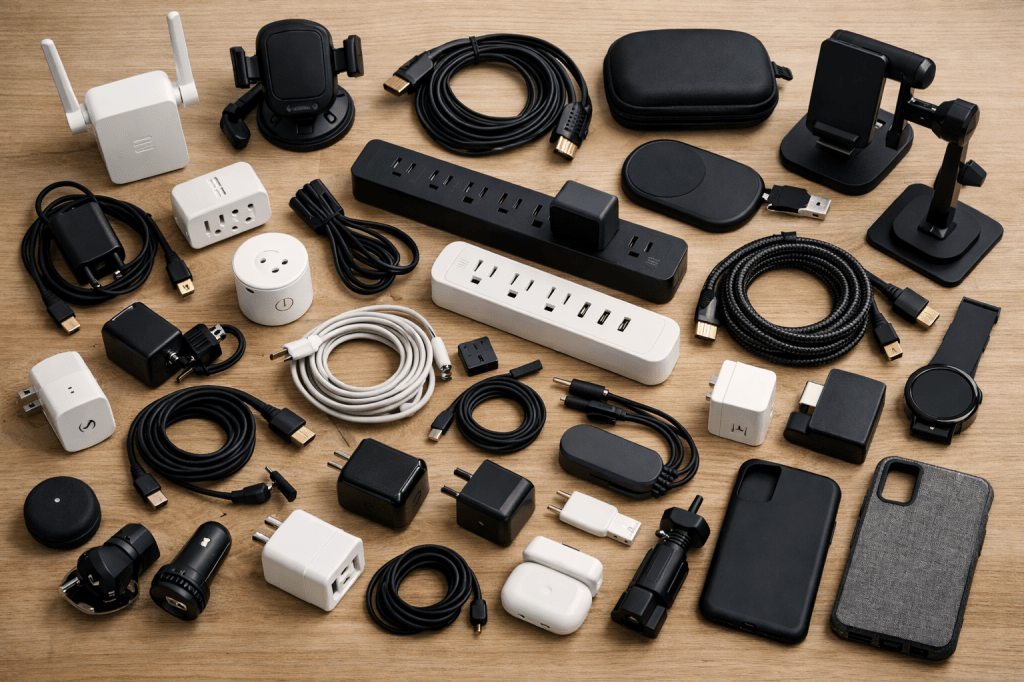
Step 5: Your replacement budget inflates permanently
This is the part people never connect.
When it’s time to replace the product:
You don’t replace what you used to have.
You replace what you got used to.
So you:
• avoid cheaper versions
• justify higher tiers
• say “I can’t go backwards”
• accept higher prices as normal
That free upgrade didn’t cost you once.
It raised your spending for every future cycle.
How a £400 Phone Becomes £1,200 Spending
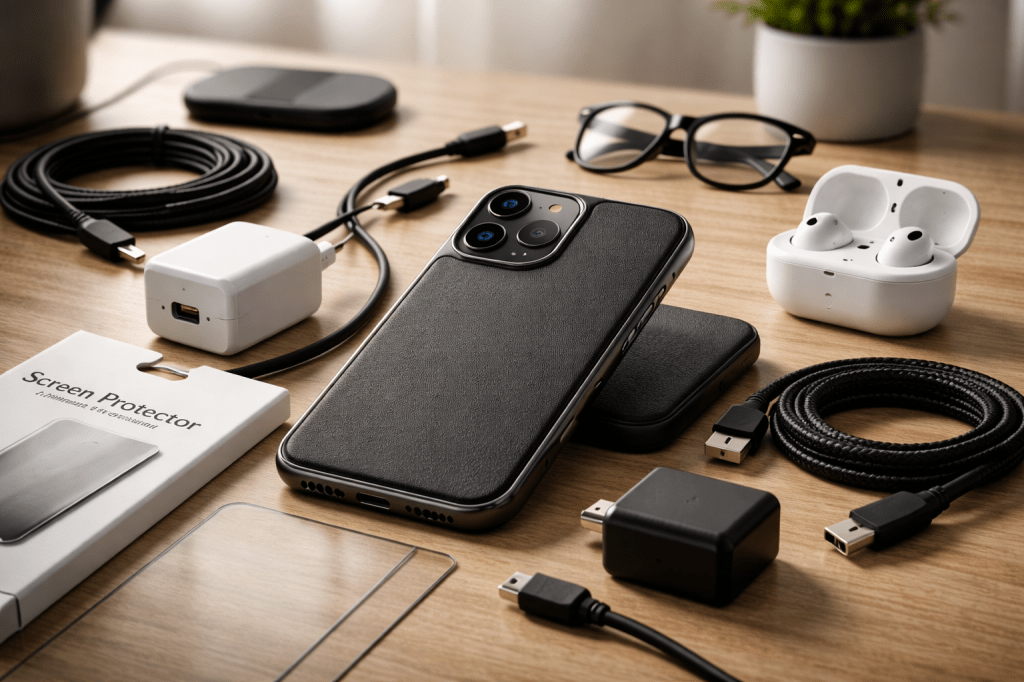
Here’s a pattern that happens all the time:
You buy a phone.
Base model: £400
Upgrade version (free or discounted): bigger screen + better camera.
You take it.
Fast forward 3 years.
Now:
• smaller screen feels awful
• you won’t consider budget models
• you buy a £750 replacement
• you buy a £40 case
• you buy a £30 fast charger
• you buy a £25 screen protector
That’s £845, not £400.
Do that over two upgrade cycles?
You didn’t spend £800.
You spent £1,600+ on phones you would never have considered before.
Not because you became irresponsible.
Because your baseline moved.
Where This Is Happening to You Right Now
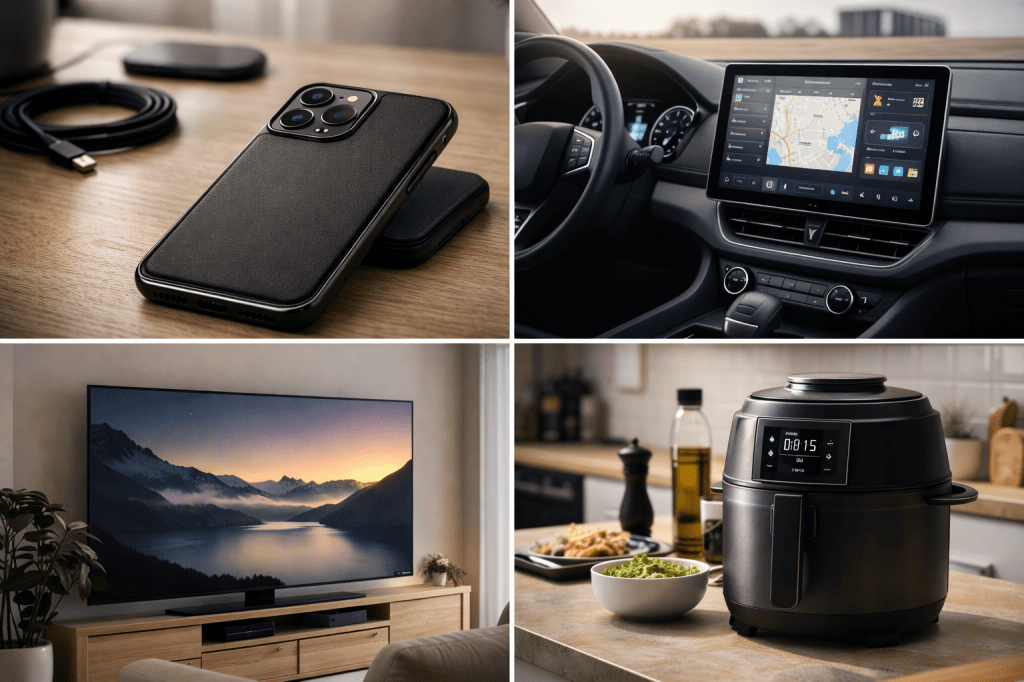
This is where people suddenly feel seen.
Phones
You got a bigger screen “for free.”
Now:
• smaller feels unusable
• cases cost more
• screen repairs cost more
• you upgrade sooner
• you avoid budget models
Your phone spend goes up — even if your income doesn’t.
Cars
You got a higher trim or tech pack included.
Now:
• base models feel stripped
• replacements must match features
• infotainment becomes a requirement
• resale expectations change
So your next car:
Costs more.
Insurance is higher.
Parts are pricier.
Even if nothing ever breaks.
TVs
You got a bigger or better panel.
Now:
• smaller looks bad
• you buy pricier mounts
• you upgrade HDMI cables
• you replace sooner to keep up
Your baseline moved.
Appliances
You got smart features or premium programs.
Now:
• simple models feel outdated
• you avoid cheap replacements
• you accept higher upfront costs
• you normalise subscriptions
Your replacement budget rises.
The £50 Decision That Adds £500 Over Time
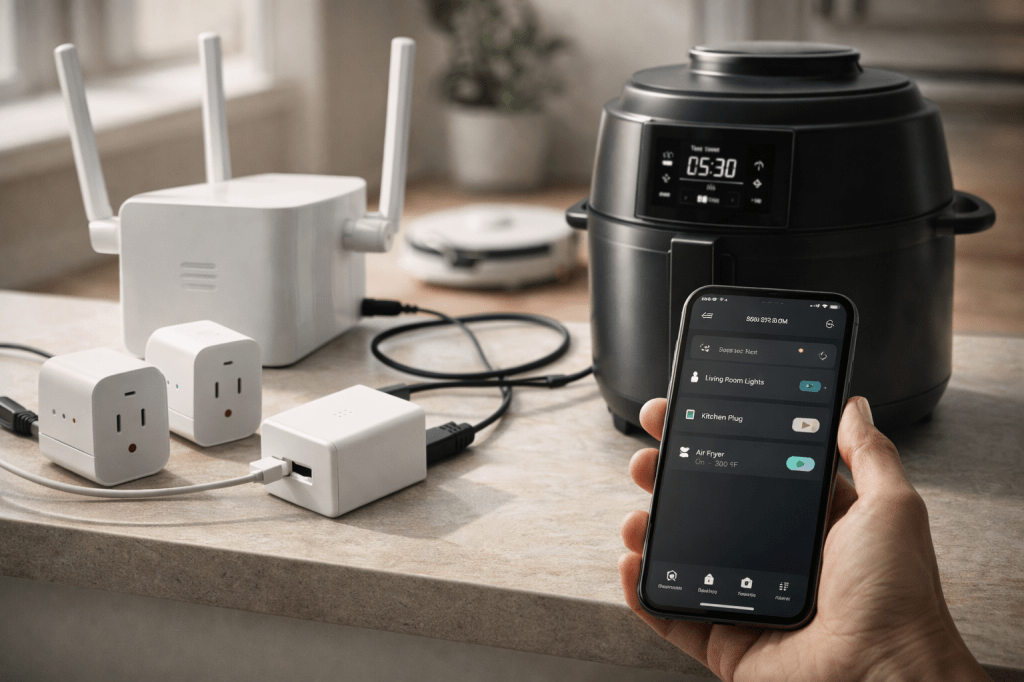
Here’s a common one people never connect:
Free smart features on an appliance.
Sounds harmless.
But now you also:
• upgrade your Wi-Fi router (£120)
• buy smart plugs (£40)
• replace with another smart model (£150 extra next time)
• accept subscription add-ons (£5–£10/month)
That “free” feature can quietly add £300–£500+ over a few years.
Not in one scary bill.
In small, forgettable ones.
That’s why it slips through.
The Quiet Killer: Baseline Inflation
This is the real hidden cost.
Not repair bills.
Baseline inflation.
Your internal idea of what’s “normal price” keeps rising.
So a £700 product feels reasonable
…because you’re comparing it to £1,000.
You think you’re saving.
You’re actually just spending more than you used to.
Over years, this compounds across:
• phones
• cars
• TVs
• laptops
• appliances
• smart home gear
• accessories
This is why households feel poorer even when income goes up.
It’s not just inflation.
It’s expectation inflation.
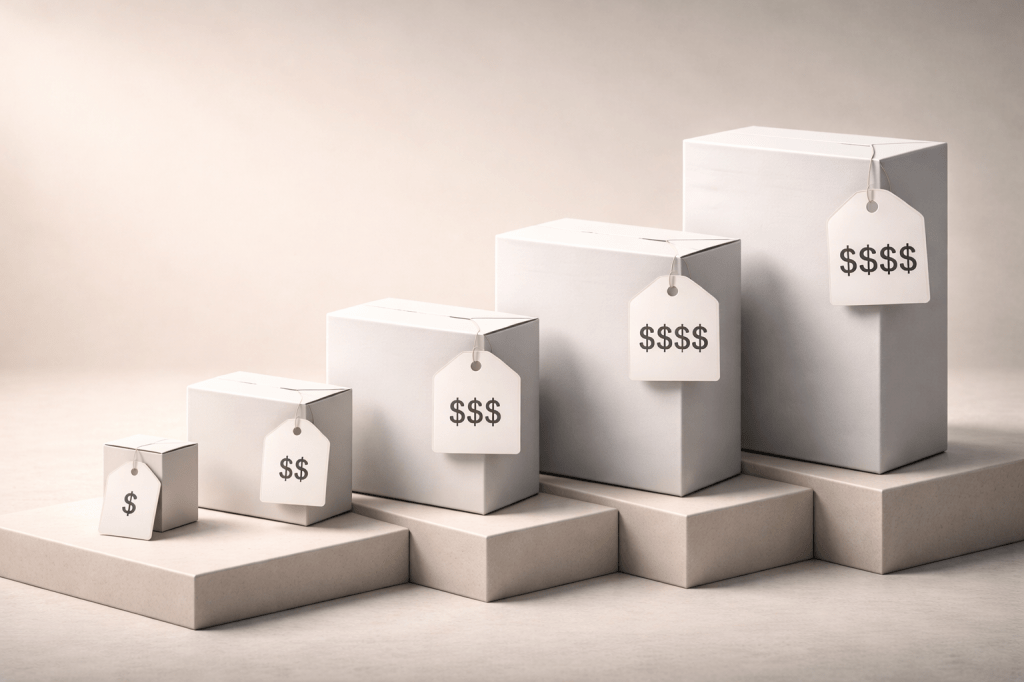
Why Families Feel Broke Even When They Earn More

Here’s the uncomfortable math most people never do.
Ten years ago, your “normal” might have been:
• £400 phone
• £500 TV
• basic appliance
• entry-level car trim
Now your “normal” is:
• £800 phone
• £900 TV
• smart appliance
• mid-tier car trim
That’s not lifestyle creep you chose.
That’s baseline creep you were trained into.
Multiply that across:
Two adults.
Multiple devices.
Multiple replacement cycles.
That’s thousands per decade — without ever feeling like you “upgraded your lifestyle.”
Why Free Upgrades Are Used on Purpose
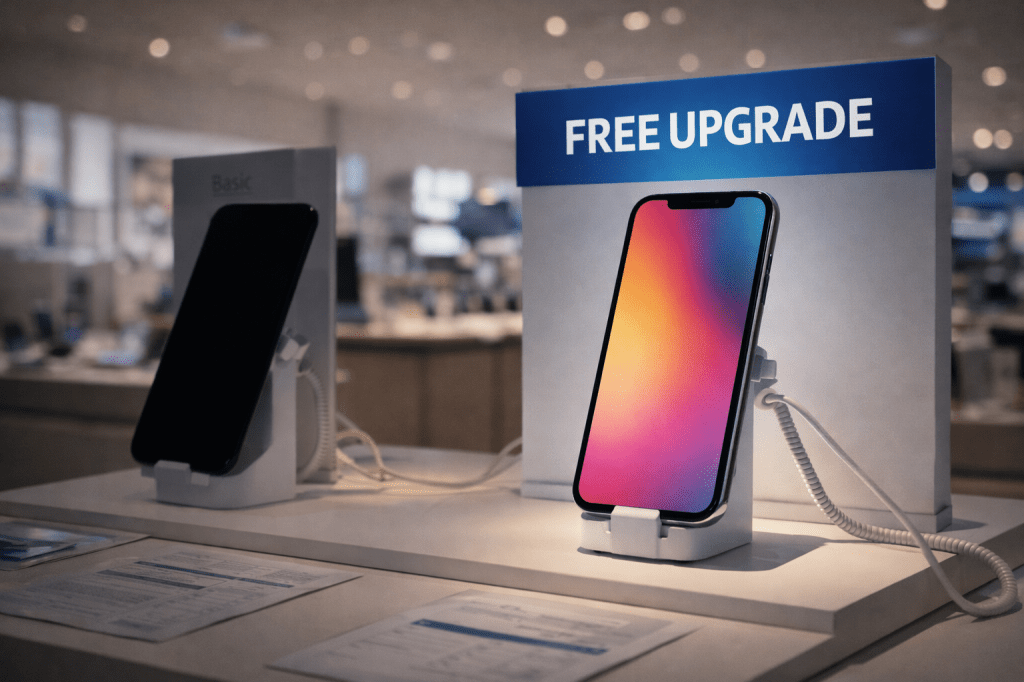
Free upgrades aren’t random generosity.
They are used because they:
• raise expectations
• train buyers upward
• reduce demand for basic versions
• make cheaper options feel unacceptable
• move the entire market upmarket
Once enough people get used to the upgrade:
The cheap option disappears.
Now everyone pays more.
You thought you won.
The market won.
The “One-Time vs Permanent” Test (Use This)
Before accepting a free upgrade, ask:
Is this a one-time benefit — or a permanent expectation?
If it becomes something you’ll:
• expect next time
• feel annoyed without
• avoid downgrading from
• require in replacements
Then it’s not free.
It’s a permanent cost increase.
The Accessory Trap (Where Hundreds Disappear)
Upgrades quietly force higher accessory spending:
• higher watt chargers
• faster HDMI cables
• better Wi-Fi routers
• premium power strips
• stronger mounts
• branded replacements
£15 here.
£40 there.
£60 later.
Over years?
Hundreds.
It doesn’t feel expensive.
It becomes expensive.
How to Use Free Upgrades Without Getting Trapped
This is how smart owners break the cycle:
• treat upgrades as temporary bonuses
• mentally reset before each purchase
• force yourself to consider basic options
• don’t let one product redefine “normal”
• separate convenience from necessity
• ask what you’d buy if this feature didn’t exist
Most people never do this.
That’s why their baseline keeps rising.
When to Say No (Even If It’s Free)
Say no when the upgrade:
• changes what you’ll accept next time
• forces pricier accessories
• locks you into higher tiers
• makes simpler feel unacceptable
• becomes an expectation, not a bonus
Free isn’t free if it rewrites your future spending.
Final Reality Check
Free upgrades don’t usually bankrupt people.
They do something worse.
They quietly retrain what you’re willing to pay.
They raise your baseline.
They inflate your replacements.
They increase your accessory spend.
They make expensive feel normal.
Most people think the cost of living went up.
For many households, their definition of “normal” went up first.
That’s how a single yes becomes a long-term cost of living increase.
Not because you’re bad with money.
Because you were trained — one free upgrade at a time.
 Modern Fixes
Leave a comment