“It Just Stopped Working”
You didn’t break it.
You didn’t misuse it.
It just… stopped working.
So you do the sensible thing. You try to fix it.
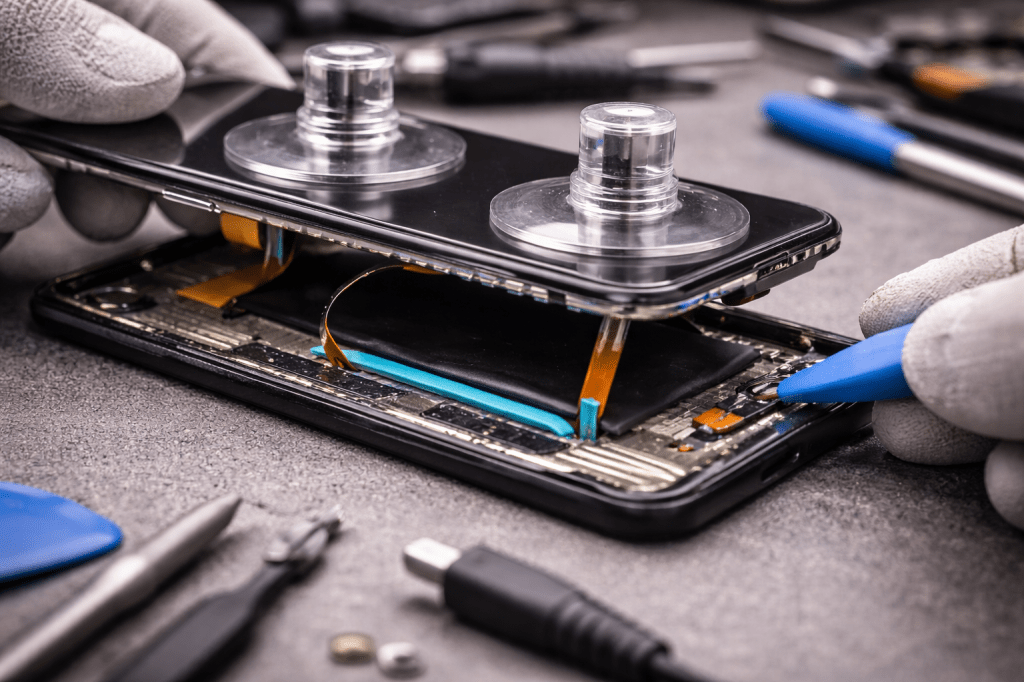
You open YouTube. You grab a screwdriver. You expect to replace a battery, a switch, a belt, a connector — something simple.
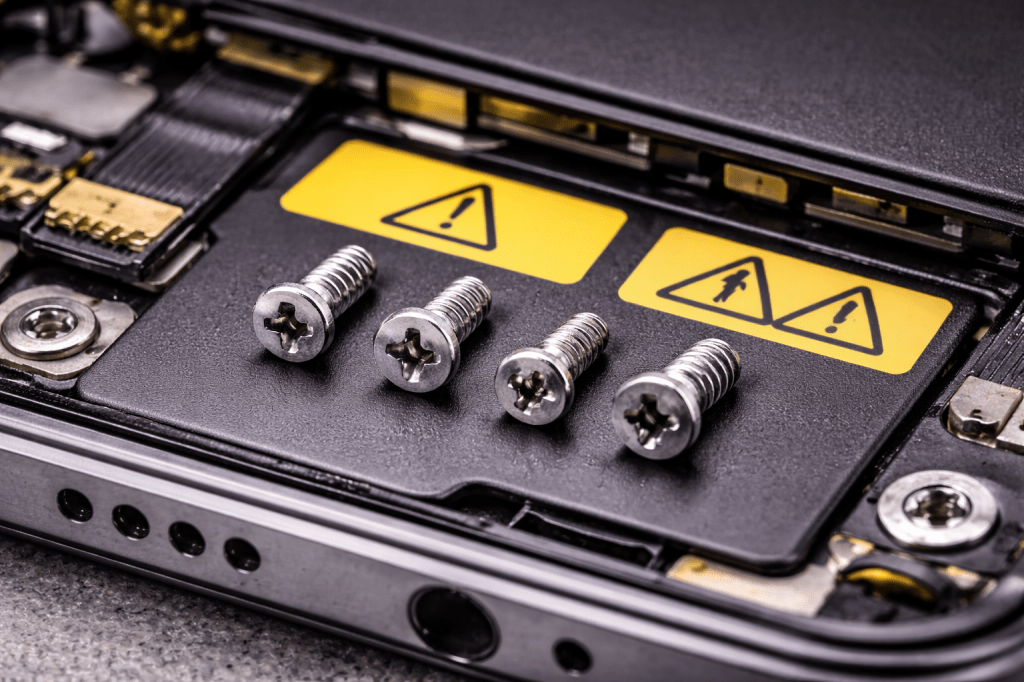
Instead, you’re met with glued frames. Sealed casings. Proprietary screws. Warning labels. Parts that aren’t sold. Components fused together like they were never meant to be separated.
Somehow, this became normal.
At what point did we decide that basic ownership shouldn’t include the ability to repair what you bought?
Because modern products aren’t just harder to fix.
They are deliberately designed to resist being fixed.
The Shift From Repairable to Sealed
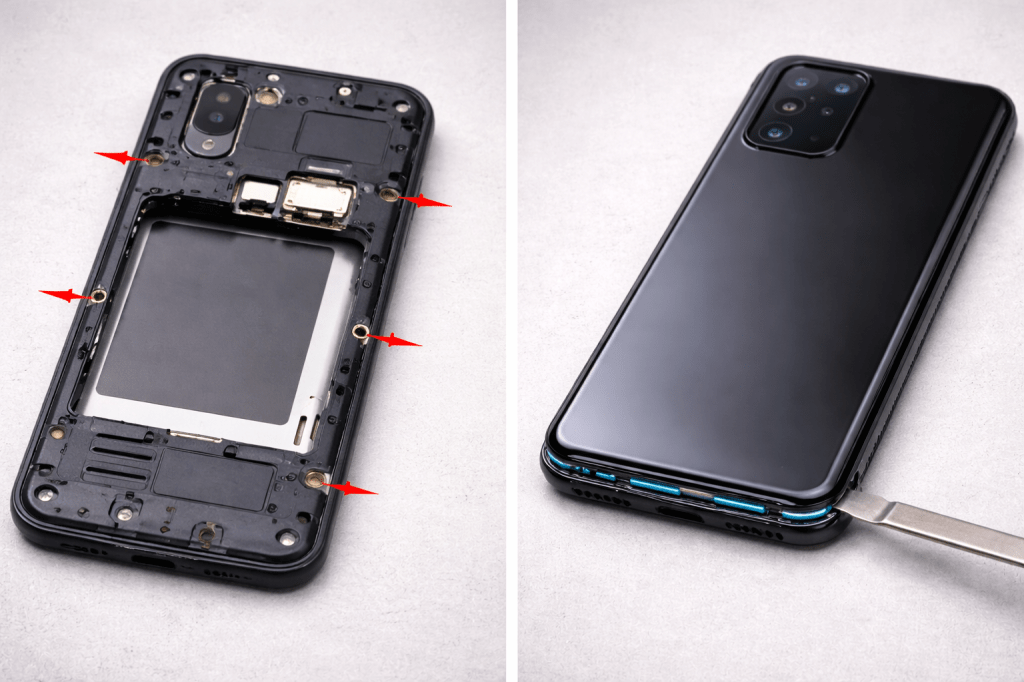
Over the last 10–15 years, manufacturers quietly shifted from repairable products to sealed assemblies.
Instead of removable batteries, screwed-together housings, modular parts, and standard fasteners, we now get glued screens, heat-staked plastic, welded frames, proprietary screws, and components fused into single units.
Not because it works better.
Because it assembles faster, looks cleaner, and gives brands control over what happens after you’ve paid.
What started in smartphones spread to laptops. Then small appliances. Then TVs. Then power tools. Then even basic household gear.
Somewhere along the way, “easy to manufacture” got rebranded as “premium design.”
Designed for Photos, Not for Ownership

This trend looks great in photos.
Flush seams. No visible screws. Ultra-thin profiles. Smooth edges. Minimalist surfaces.
It photographs beautifully.
It looks expensive on a showroom shelf.
It feels “modern” in a marketing video.
But none of that helps when the battery dies.
Or a connector cracks.
Or a motor wears out.
Or a £2 switch fails inside a £400 product.
Design teams optimise for unboxing, not ownership.
The product’s job is to look perfect for 18 months.
Not to be usable for 8 years.
That’s the part nobody advertises.
When a Simple Fix Becomes a Major Repair

In real life, this design approach punishes normal users.
A £20 battery replacement becomes a £180 screen replacement.
A cracked charging port becomes a motherboard replacement.
A worn bearing becomes a full unit replacement.
A £3 belt turns into a £220 appliance call-out.
What used to be:
• remove cover
• swap part
• screw it back together
Is now:
• heat the adhesive
• pry without cracking
• risk tearing cables
• void warranty
• hope nothing snaps
• discover the part isn’t sold anyway
So people don’t fix.
They replace.
Not because they want to.
Because they’re pushed into it.
Fragile by Design

Safety and reliability get worse too.
Glued batteries swell inside sealed frames.
Plastic clips fatigue and snap.
Heat builds up in non-serviceable enclosures.
Dust accumulates in devices that can’t be opened for cleaning.
Products become more fragile precisely because they can’t be maintained.
And when something does fail, it fails catastrophically — not gracefully.
There is no “cheap fix” anymore.
There is only “new product.”
This Isn’t an Accident — It’s a System
So why does this keep happening?
Because modern product design is no longer driven by repairability or longevity.
It’s driven by:
• assembly speed
• material cost reduction
• thinner profiles
• lower warranty exposure
• controlled service networks
• trend copying
• showroom appeal
• influencer aesthetics
If one major brand seals a product, competitors follow.
Not because it’s better for users.
Because it becomes “industry standard.”
No design team gets rewarded for making a product easier to fix in five years.
They get rewarded for:
• thinner
• lighter
• sleeker
• cheaper to assemble
• harder to open
Serviceability loses every internal meeting.
What We Used to Get Right
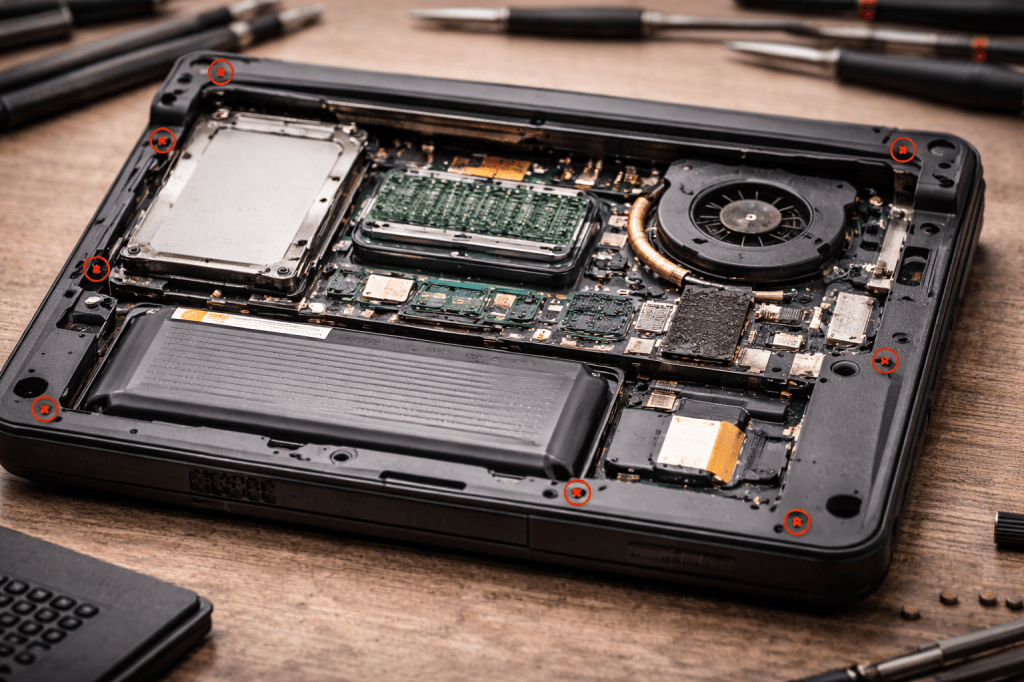
What we lost is obvious if you’ve owned older gear.
Laptops with removable batteries.
Appliances with rear panels and replaceable belts.
Tools with replaceable brushes.
Cars with accessible filters and serviceable components.
Electronics held together with screws instead of glue.
Things that expected to be maintained.
Things that assumed ownership meant involvement.
Things that didn’t treat repair like trespassing.
Older products weren’t perfect.
But they respected the idea that a customer might want to keep something running.
Modern products assume you won’t.
How to Buy Smarter in a Sealed-Design World
Smart buyers have to work around this.
Look for:
• visible screws instead of glued seams
• replaceable batteries
• brands that sell spare parts
• teardown videos showing modular design
• products designed for service access
• older generations with better layouts
• business-grade or professional models
• repair-friendly certifications
Avoid:
• fully sealed frames
• “non-user-serviceable” labels
• ultra-thin designs
• glued screens and batteries
• proprietary fasteners everywhere
• products with no parts ecosystem
Not because old is better.
Because some older design philosophies respected ownership more than modern ones do.
The Real Reason This Feels So Wrong

(AP Photo/Geert Vanden Wijngaert)
The blunt truth is this:
Modern products aren’t designed to be fixed.
They’re designed to be replaced.
What gets sold as progress is often just convenience for manufacturers, dressed up as innovation for consumers.
This isn’t better design.
It’s inconvenience dressed up as minimalism.
 Modern Fixes
Leave a comment