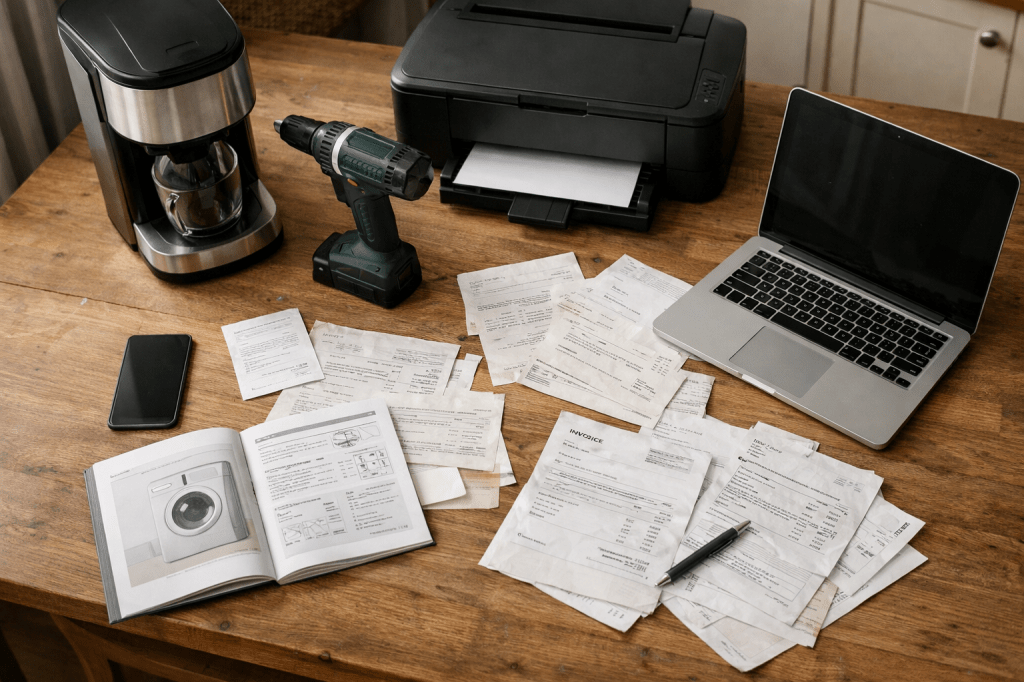
You didn’t buy junk.
You didn’t cheap out.
You didn’t ignore advice.
You bought what looked sensible.
A popular car.
A modern washing machine.
A smart TV.
A cordless tool kit.
A “low-cost” printer.
A subscription service that promised convenience.
And yet, somehow, the bills keep stacking up.
Repairs.
Consumables.
Call-outs.
Subscriptions.
Accessories.
Parts that “aren’t covered.”
This is the moment most people realise something uncomfortable:
The product wasn’t designed to be cheap to own.
It was designed to be cheap to sell.

By the time you see the pattern, you’re already paying for it.
The Trap: Products That Look Affordable — But Lock You Into Ongoing Costs
Most ownership traps don’t feel like traps at purchase.
They’re sold as:
• convenience
• smart features
• compact design
• modern efficiency
• low upfront price
• premium look
• “future-proof” tech
On paper, they sound sensible.
In reality, they quietly lock you into:
• proprietary parts
• sealed assemblies
• subscription dependencies
• specialist-only repairs
• consumables you can’t avoid
• upgrades you’re forced into
This is how ownership turns into dependency.
Where the Money Actually Goes
This is where people usually Google:
“Why is this so expensive to maintain?”
Because the real costs are hidden.
Sealed & Non-Serviceable Design

Cars, appliances, and electronics now ship with parts that are not meant to be serviced.
Gearboxes labelled “lifetime.”
Washing machine tubs sealed.
Laptop batteries glued in.
Vacuum motors moulded into housings.
When something small fails, you can’t replace the small thing.
You replace the whole assembly.
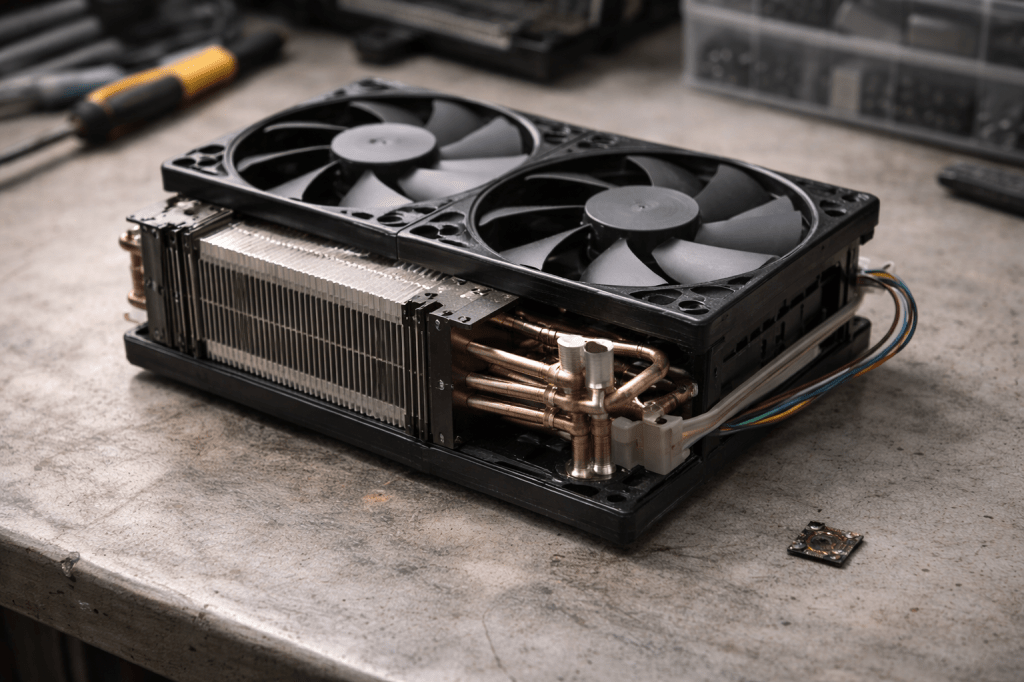
What should be a £20–£80 part becomes:
• £300–£600 assemblies
• £900+ full unit swaps
• “uneconomical to repair” quotes
Not because it’s complex.
Because it’s intentionally non-serviceable.
Subscription-Locked Ownership

You thought you bought a product.
In reality, you bought an entry point.
Printers that stop working without branded ink.
Smart devices that lose features without a plan.
Software-locked car features.
Fitness equipment behind monthly fees.
Security systems that charge for basic functionality.
You’re not paying for a product anymore.
You’re paying rent on something you already own.
Over five years, that £5–£15/month becomes:
• £300–£900 in fees
• lost features if you cancel
• forced upgrades
• no resale value
Cheap to buy.
Expensive to keep.
Proprietary Consumables & Accessories

This is one of the most profitable traps.
Printers.
Coffee machines.
Vacuum filters.
Water filters.
Razor cartridges.
Special batteries.
Branded chargers and cables.
The product is cheap.
The refills are not.
You save £100 upfront.
You spend £300–£600 on consumables.
By the time you notice, switching costs more than staying.
Electronics That Can’t Be Fixed Properly

Modern devices are thinner, sealed, and glued.
When they fail:
• batteries aren’t replaceable
• screens are bonded to frames
• ports are part of main boards
• water seals destroy repair access
A cracked charging port becomes a motherboard issue.
A battery becomes a full device teardown.
A minor drop becomes a write-off.
Repair quotes push you toward replacement.
Not because repair is impossible.
Because it’s made uneconomical.
Why Nobody Warns You
Because nobody in the chain is rewarded for long-term honesty.
Manufacturers make more money on:
• replacements
• subscriptions
• branded consumables
• sealed assemblies
• dealer-only servicing
Retailers make money on:
• warranties
• add-ons
• upgrades
• replacement sales
Repairability reduces repeat purchases.
So it disappears.
Complexity hides real ownership cost.
How Owners Get Stuck
This is where regret turns into routine.
You’ve already paid for it.
You’ve already invested.
You’ve already learned the system.
So you:
• keep buying the expensive refills
• accept the subscription
• approve the big repair
• stay “just a bit longer”
Because replacing it feels worse than paying again.
This is sunk cost in action.
What You Can Do (Before It Gets Worse)
This is where you stop being blindsided.
Use Diagnostic Tools Early
For vehicles and smart equipment, a basic OBD or diagnostic scanner can save hundreds by catching faults before they become failures.
Early detection = smaller bills.
Compare Repair vs Replace Properly

Use independent repair quote platforms instead of dealer pricing.
Many “uneconomical” quotes are based on:
• dealer labour rates
• full assembly swaps
• no aftermarket parts
Independent shops often cut repair cost in half.
Protect High-Risk Items With Targeted Warranties
Extended warranties make sense for:
• complex electronics
• appliances with sealed assemblies
• vehicles with known module failures
Not blanket coverage.
Targeted protection for known traps.
Switch to Aftermarket Consumables
Third-party filters, cartridges, and accessories can cut ownership cost by 50–70%.
Manufacturers rely on brand lock-in.
Breaking it saves real money.
Avoid Subscription-Locked Hardware
If a product needs a monthly fee to function properly, treat that fee as part of the purchase price.
If it’s still worth it, fine.
If not, walk away.
Who Should Avoid These Traps Entirely
These products are worst for:
• high-mileage users
• heavy users
• long-term owners
• DIY-minded people
• budget-sensitive households
• people who keep products 5+ years
They’re built for short upgrade cycles.
If you buy and keep, you pay more.
The Hard Truth
Most ownership regret doesn’t come from bad products.
It comes from hidden design decisions.
By the time you learn how ownership really works, you’ve already paid for it.
The real trap isn’t what you bought.
It’s what you’re forced to keep paying for.
 Modern Fixes
Leave a comment