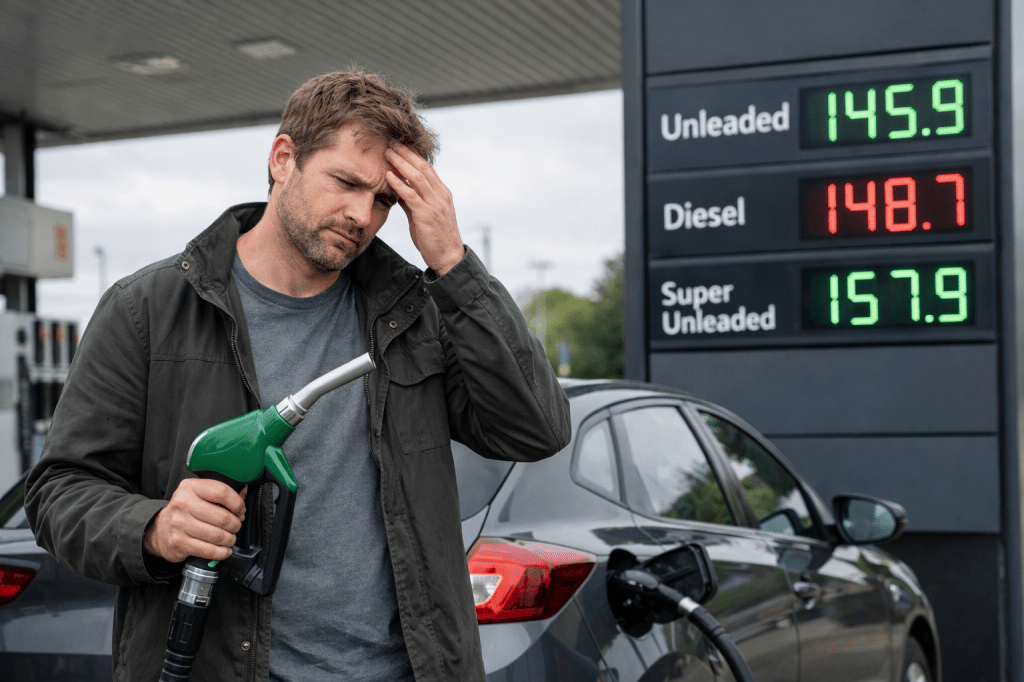
Most people don’t realise how much money they’re burning without ever driving extra miles. It’s not just fuel prices. It’s the small, ignored things that quietly destroy your mpg every single day. Worn tyres. Bad habits. Dirty filters. Under-inflation. The wrong fuel. Short trips done the wrong way.
This quietly costs people hundreds per year — sometimes more — and most drivers never connect it to their rising fuel bill.
If you’re not actively managing how your car uses fuel, you’re probably paying more than you need to right now. Not because you drive more. But because your car is working harder than it should.
The good news? You don’t need to drive less to spend less. A few smart changes can cut fuel costs fast — without changing your lifestyle.
Why This Problem Costs People Money
Fuel waste rarely feels dramatic. It creeps in quietly.
A tyre 6–8 PSI low.
A clogged air filter.
Dragging brake calipers.
Old engine oil.
Roof racks left on.
Short trips on a cold engine.
Each one barely hurts mpg on its own. But together, they stack.
Most people only notice when fuel costs feel “suddenly higher.” By then, the car has been inefficient for months.
It’s a hidden cost problem:
You don’t see it.
You don’t track it.
You just pay it.
And because fuel is a recurring expense, small inefficiencies become permanent money leaks.
The Fastest Ways to Fix It (Quick Wins)
1. Inflate Your Tyres Properly
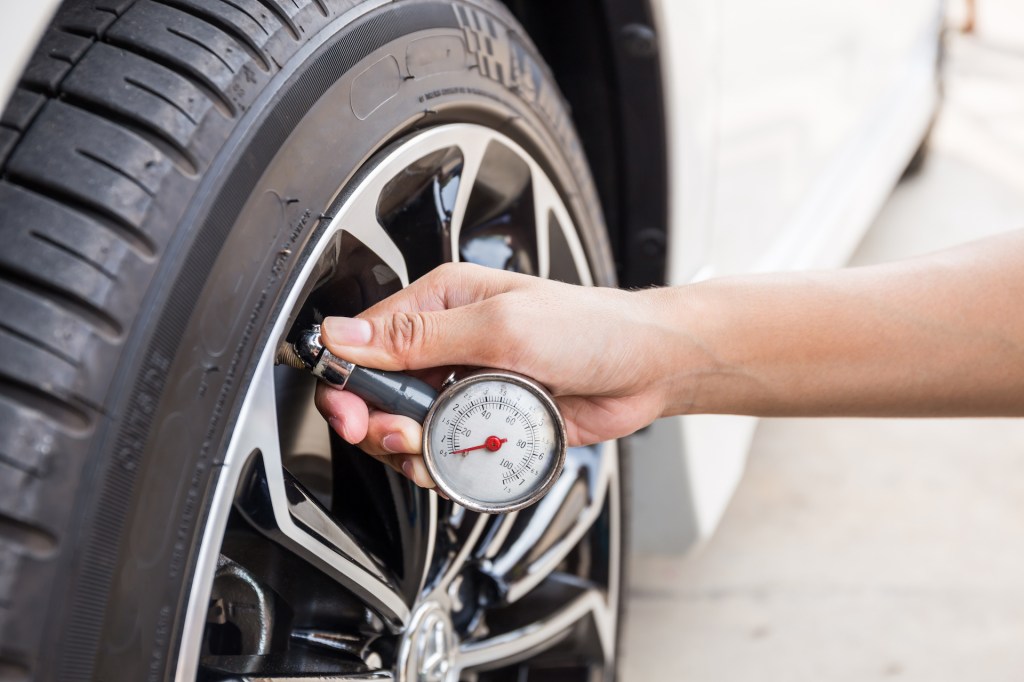
Under-inflated tyres increase rolling resistance and burn more fuel.
Check pressures monthly — not “when they look low.”
Even 5–10 PSI low can cut mpg noticeably.
2. Remove Roof Racks & Roof Boxes
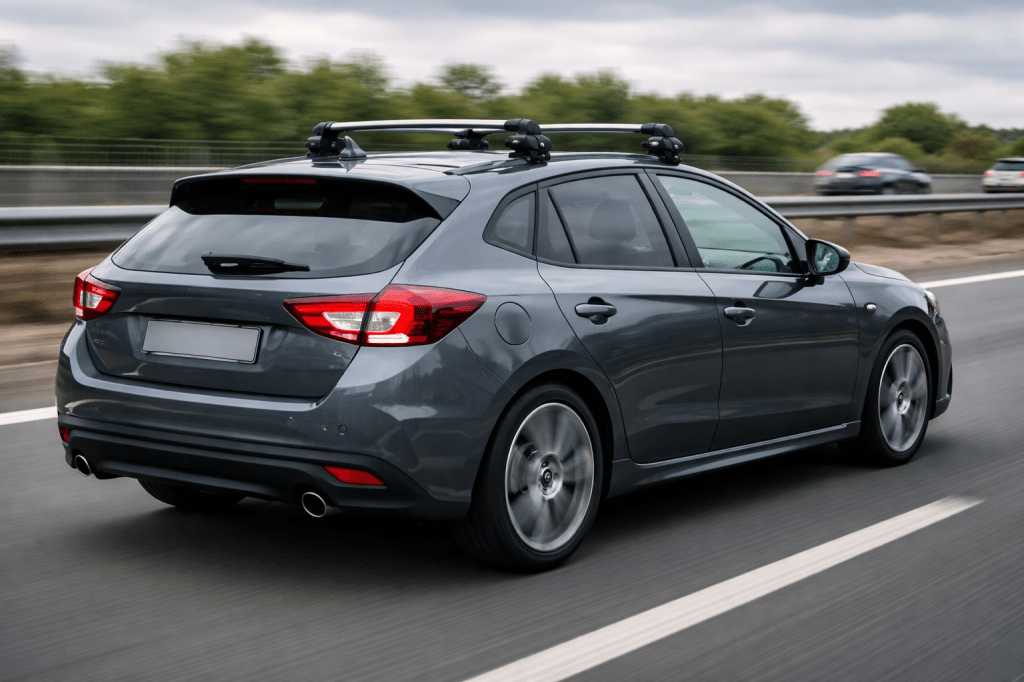
Roof racks kill aerodynamics. Even empty ones.
Leaving them on can reduce motorway mpg by 5–15%. That’s real money.
3. Replace Your Air Filter
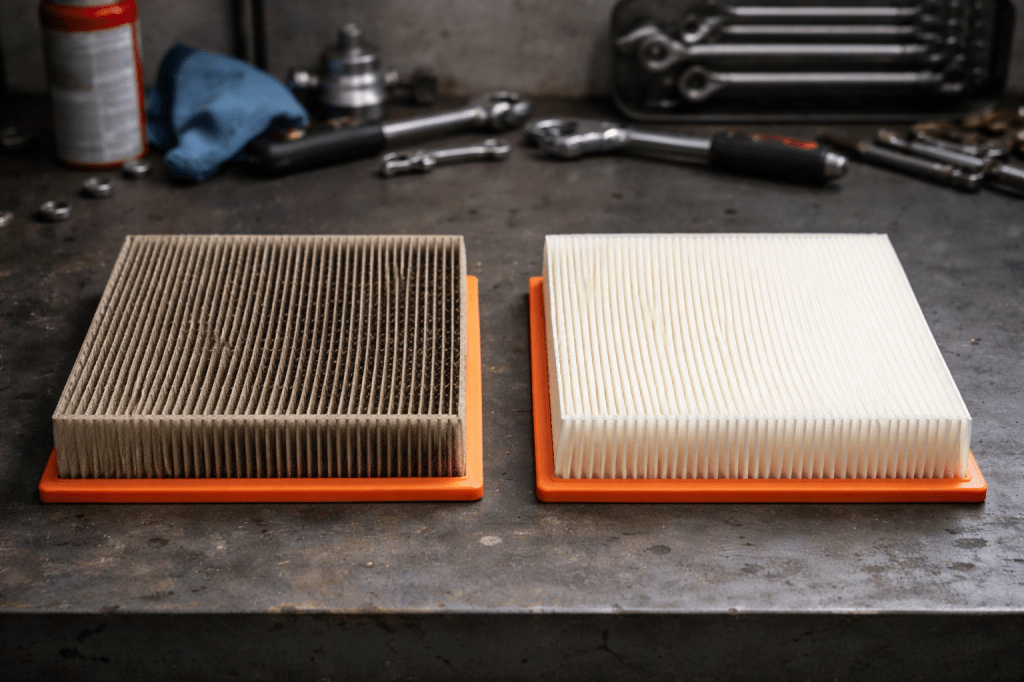
A clogged air filter restricts airflow and hurts combustion efficiency.
Cheap. Easy. Often ignored.
One of the highest return £10–£20 fixes.
4. Use the Right Engine Oil
Wrong viscosity = more internal drag.
Modern low-friction oils improve fuel economy slightly — but consistently.
Small % gains add up over thousands of miles.
5. Stop Cold-Start Waste
Short, cold trips are fuel killers.
If possible, combine errands into one longer trip so the engine reaches proper temperature once.
6. Fix Dragging Brakes
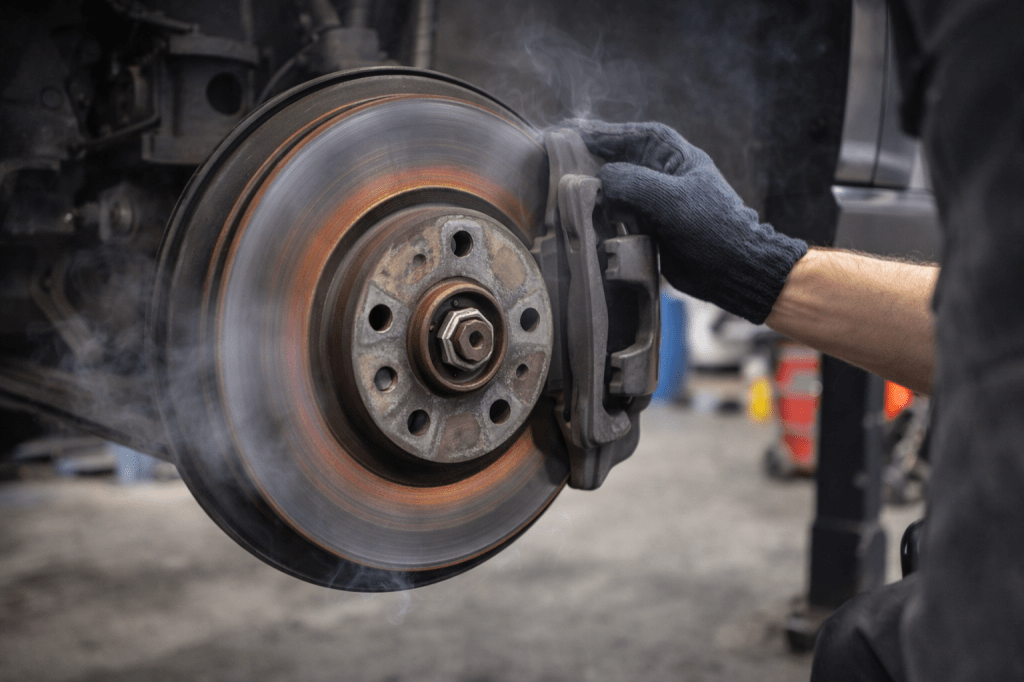
Sticking calipers or handbrake issues quietly destroy mpg.
If your wheels feel hot after short drives, you’re burning fuel to fight your own brakes.
7. Lighten the Load
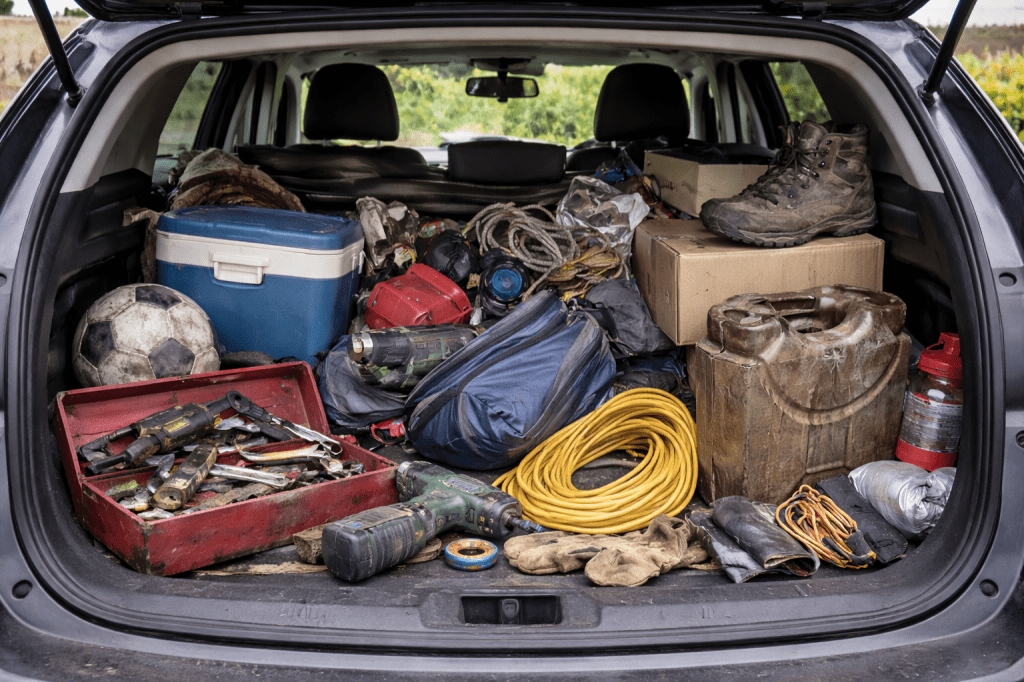
Boot full of junk? Tools? Old gear?
Extra weight = extra fuel burned every mile.
Free mpg just by cleaning out.
8. Use Cruise Control Properly
On flat roads, cruise helps.
On hills, it often makes things worse by forcing aggressive throttle.
Manual control can save more fuel than people realise.
Common Mistakes That Make It Worse
- Guessing tyre pressure instead of checking
- Ignoring warning lights
- Running roof racks year-round
- Skipping basic servicing
- Letting brake issues “wait”
- Believing premium fuel always saves money
- Assuming mpg loss is just “normal ageing”
Doing nothing doesn’t freeze costs.
It slowly makes them worse.
Tools, Products, or Services That Can Help
These aren’t “extras.” They’re shortcuts to saving fuel without thinking about it:
- Digital tyre pressure gauges – fast, accurate, no guessing
- 12V tyre inflators – fix under-inflation at home in minutes
- OBD2 scanners – spot efficiency-killing faults early
- Fuel tracking apps – see mpg drops before bills spike
- Air filter replacements – cheap, fast efficiency win
- Brake inspections – prevent silent fuel drag
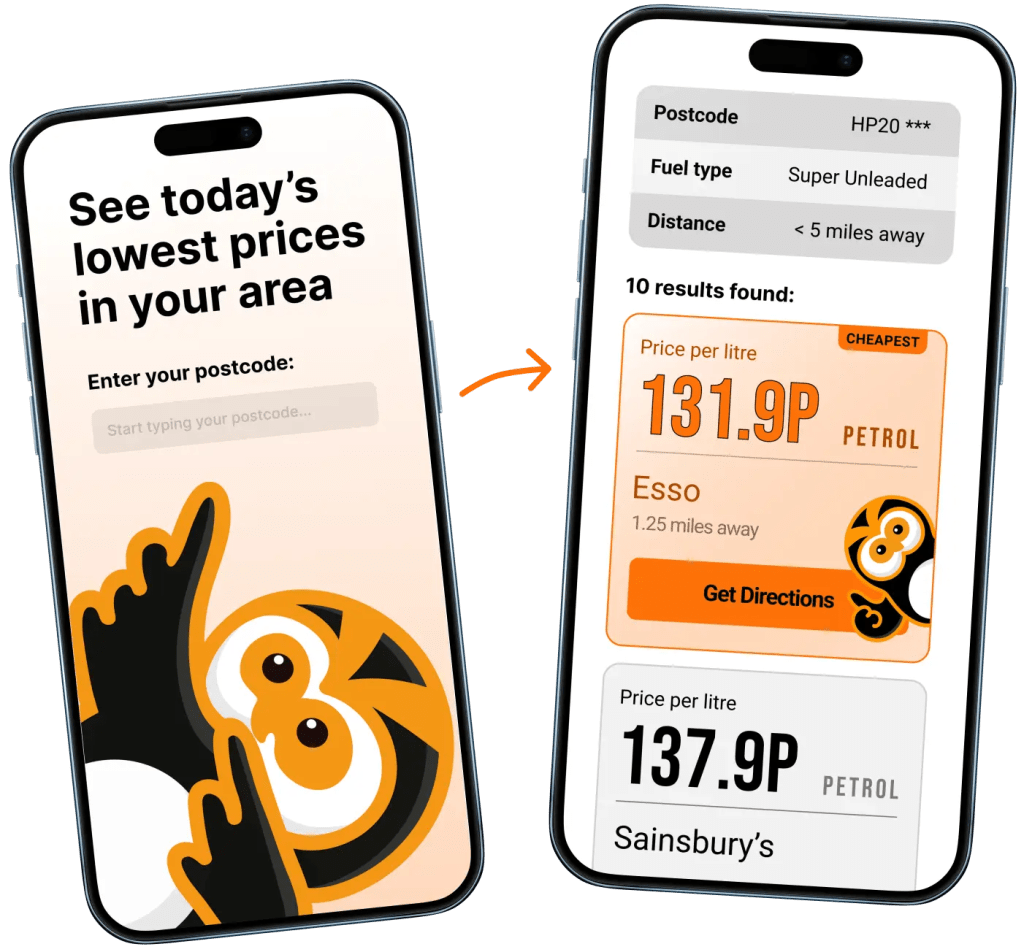
- Fuel price comparison apps – same drive, cheaper fill-ups
These don’t feel exciting.
They quietly stop money leaks.
How to Stop This From Becoming Expensive Later
Fuel inefficiency compounds.
So does neglect.
What starts as 3–5% loss becomes 10–15% without you noticing. Over years, that’s thousands.
Preventative habits that save real money:
- Monthly tyre checks
- Annual air filter replacement
- Regular brake inspections
- Tracking mpg trends
- Removing drag and weight
- Fixing small issues before they become big ones
Do this now — and future fuel prices hurt less.

Quick Checklist
✔ Check tyre pressure monthly
✔ Remove roof racks when not needed
✔ Replace air filter yearly
✔ Clear junk from boot
✔ Watch for dragging brakes
✔ Track mpg per tank
✔ Use correct engine oil
✔ Combine short trips
✔ Compare fuel prices
✔ Fix warning lights early
FAQs
Does this really make a difference?
Yes. Small efficiency gains stack. Many drivers recover 5–15% mpg with basic fixes.
How often should I check tyre pressure?
At least once per month and before long trips.
Is it worth paying for a brake or engine check?
If it prevents dragging brakes or hidden faults, it can pay for itself in fuel savings alone.
Does premium fuel improve fuel economy?
Usually no. Unless your car specifically requires it, standard fuel is normally best value.
What happens if I ignore this?
You slowly lock in higher fuel costs — and you’ll never notice until it’s expensive.
Can old cars still save fuel this way?
Yes. Older cars often benefit even more from basic efficiency fixes.
Bottom line:
You don’t need to drive less to spend less.
You just need to stop your car wasting fuel in ways most people never notice.
 Modern Fixes
Leave a comment