
Below are the most common, highest-regret buying mistakes — the ones that look safe but quietly drain money.
These are perfect for affiliate conversion because readers recognise themselves in them.
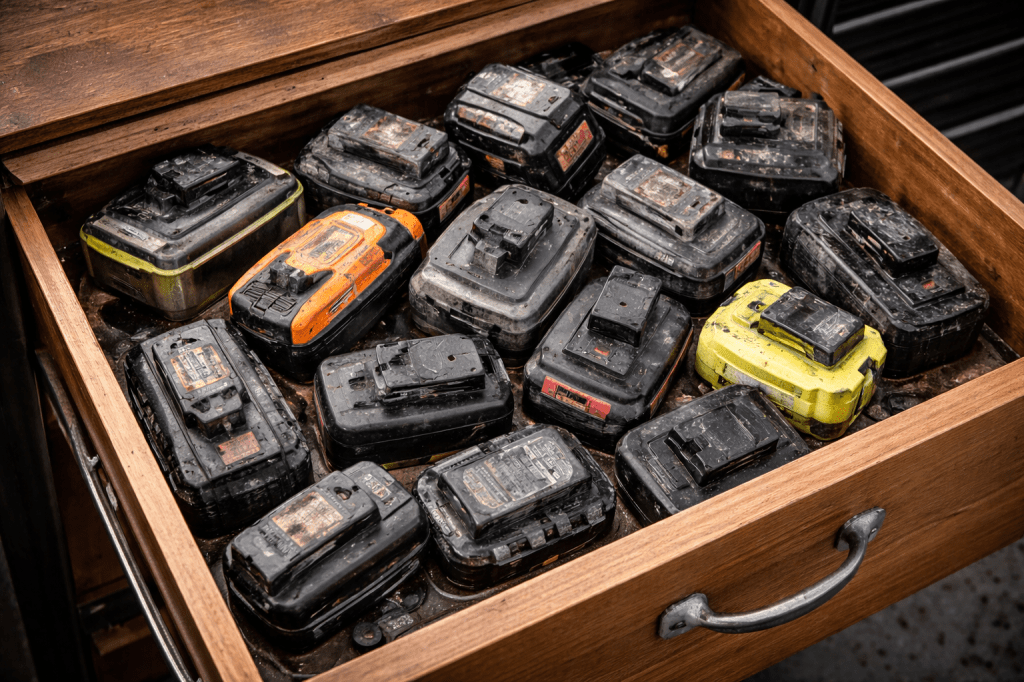
Mistake #1: The Cheapest “Good Enough” Power Tools
Why people buy them:
• Cheap upfront price
• Big brand-looking packaging
• Decent Amazon rating
• “I won’t use it that often” logic
The real problem:
Cheap power tools wear out fast, lose torque, overheat, and fail under real load.
The battery systems are usually the killer:
• batteries die early
• replacements cost more than the tool
• chargers become obsolete
• tool ecosystems get abandoned
Real cost:
£40 drill → £120 in batteries → £80 replacement tool
Total: £200+ for a tool you still don’t trust
Better alternative (Affiliate zone):
👉 Buy into a proper tool ecosystem once
👉 Choose brands with long battery support
👉 Look for brushless motors and warranty length
If you’re buying today, the safer option is a mid-range pro brand starter kit, not a bargain-bin special.
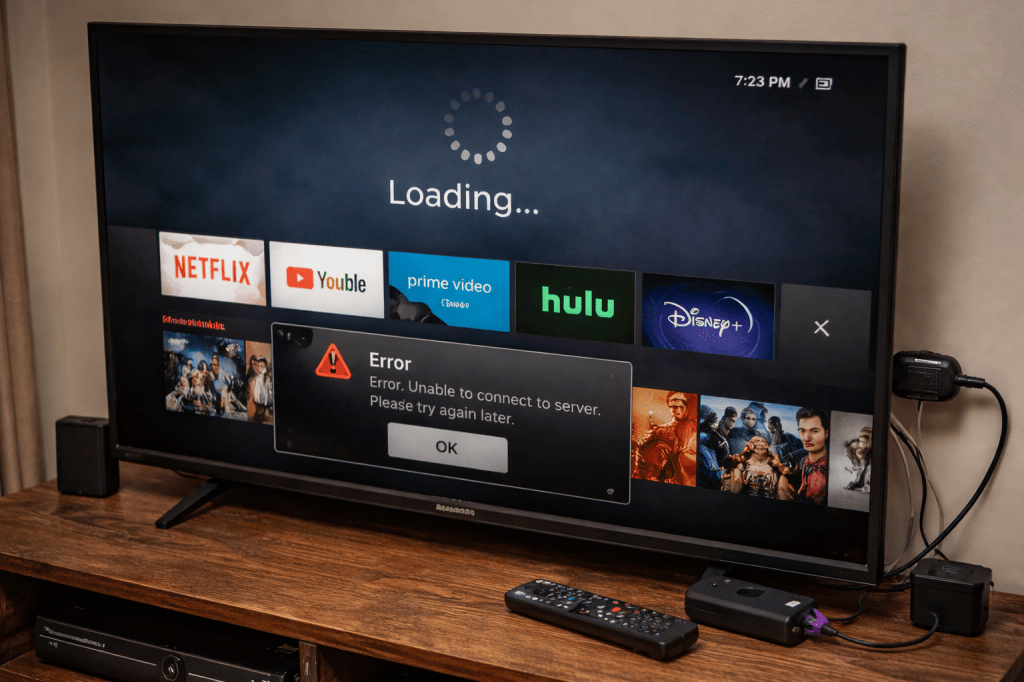
Mistake #2: Smart TVs Based on Screen Size + Price
Why people buy them:
• Biggest screen for the money
• Big sale discounts
• “Smart features included”
• High spec numbers (4K, HDR, etc.)
The real problem:
Cheap TVs age badly:
• slow processors
• outdated operating systems
• terrible long-term updates
• poor app support
• sluggish menus
After 18–24 months, many become borderline unusable.
Real cost:
£399 TV → £50 streaming box → £150 replacement
Total: £600+ for something that felt cheap
Better alternative:
👉 Smaller screen, better panel
👉 Add a separate streaming device
👉 Prioritise processing + software support
Buy a better TV, or buy a dumb TV + smart box. Cheap smart TVs are false economy.
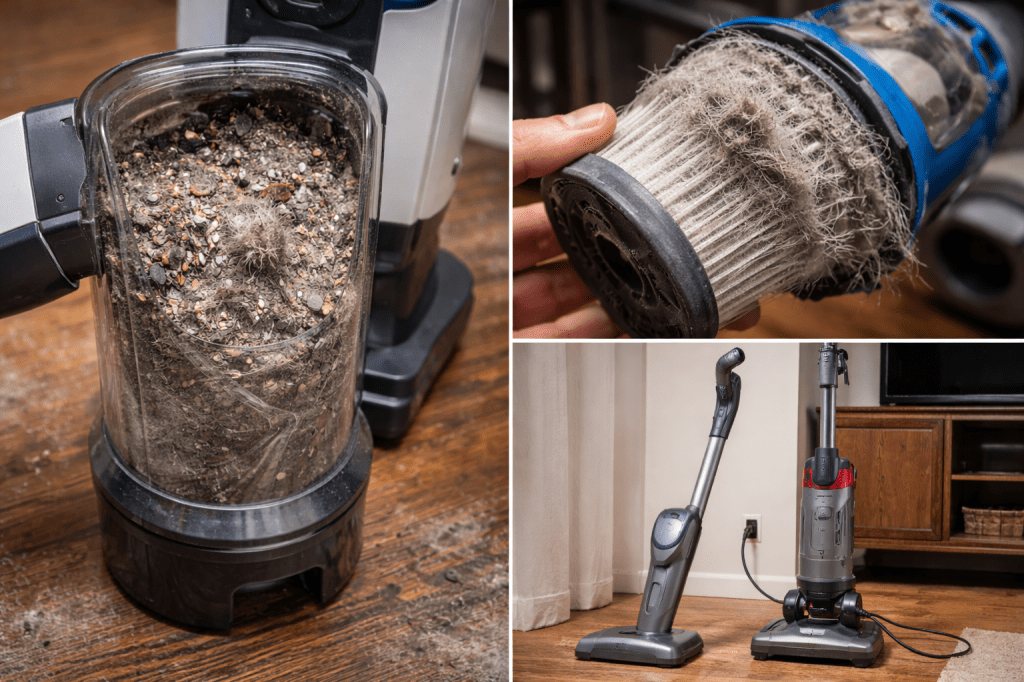
Mistake #3: Cheap Cordless Vacuum Cleaners
Why people buy them:
• Convenience
• Modern look
• Influencer hype
• Claims of “full power suction”
The real problem:
• weak long-term suction
• short battery life
• expensive battery replacements
• clogged filters
• fragile plastics
They perform well in week one.
They disappoint for years.
Real cost:
£120 cordless → £70 battery → £200 replacement
Total: £350+ and still unhappy
Better alternative:
👉 Buy corded for main cleaning
👉 Buy cordless as secondary only
👉 Prioritise airflow, not battery marketing
Most people are better off with a powerful corded vacuum + cheap handheld, not one weak cordless.
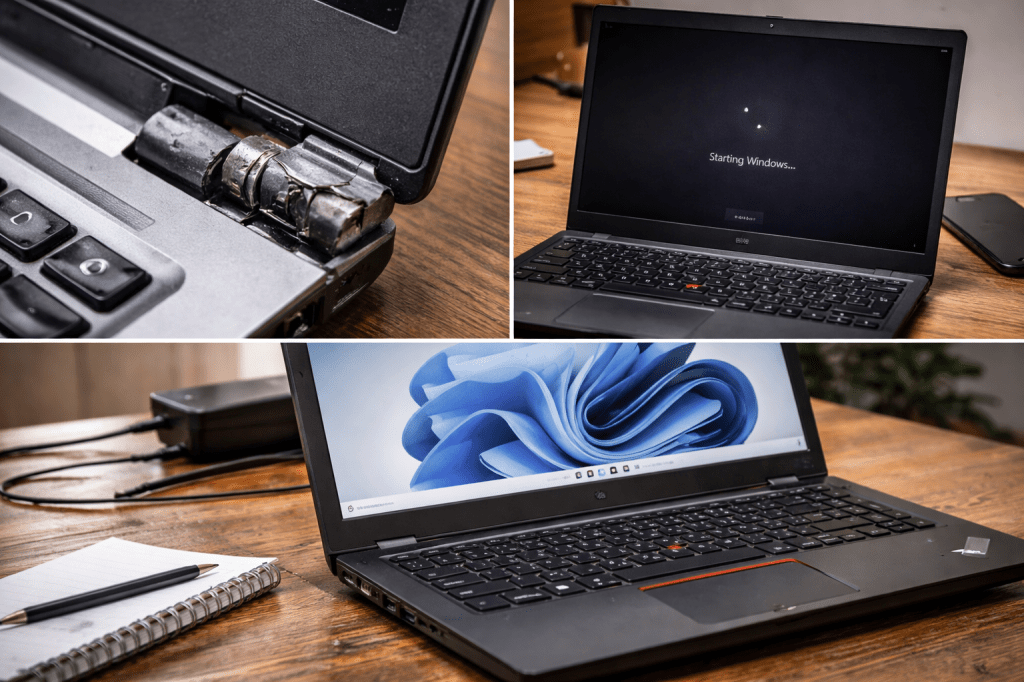
Mistake #4: Budget Laptops With “Decent Specs”
Why people buy them:
• Looks powerful on paper
• Big RAM numbers
• Large storage
• Thin design
The real problem:
• weak processors
• poor cooling
• cheap keyboards
• fragile hinges
• bad battery longevity
They slow down fast and age terribly.
Real cost:
£450 laptop → £300 replacement in 2 years
Total: £750 for two bad laptops
Better alternative:
👉 Buy refurbished business-class laptops
👉 Prioritise CPU over RAM
👉 Avoid consumer plastic builds
Refurb pro laptops destroy new cheap laptops for long-term value.
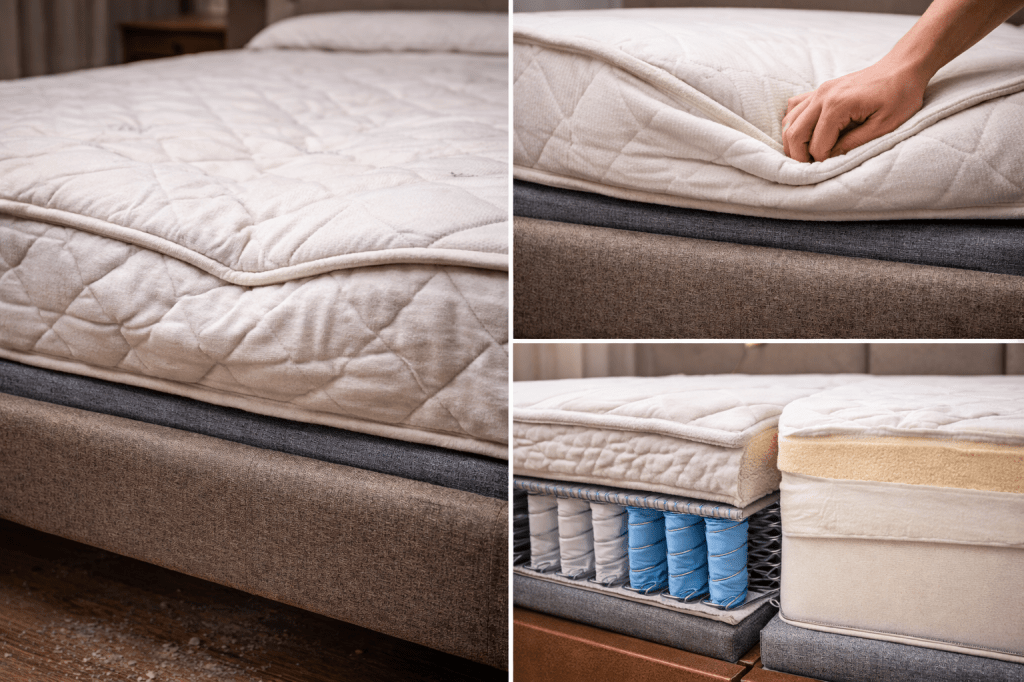
Mistake #5: Cheap Mattresses
Why people buy them:
• Big discounts
• “Memory foam” buzzwords
• 100-night trials
• Free pillows
The real problem:
• foam collapses
• poor edge support
• bad temperature control
• sagging within a year
Sleep is one of the most expensive places to cut corners.
Real cost:
£250 mattress → £400 replacement → bad sleep for years
Better alternative:
👉 Hybrid or pocket spring + foam
👉 Known manufacturers
👉 Longer warranty + density specs
Cheap mattresses are one of the most regretted purchases people make.

Mistake #6: Cheap Car Diagnostic Tools & OBD Scanners
Why people buy them:
• Looks professional
• Lots of functions
• Very low price
• Claims to read all faults
The real problem:
• limited car coverage
• outdated software
• subscription locks
• inaccurate readings
Real cost:
£40 scanner → £80 better scanner → £150 wasted
Better alternative:
👉 Known brand OBD tools
👉 App-based systems with updates
👉 Clear vehicle compatibility lists
A bad diagnostic tool wastes more money than it saves.
5. Who These Are Actually For (Few People)
Most of these bad purchases only make sense if:
• you rarely use them
• you don’t care about longevity
• you replace things often
• you value lowest price over ownership
• you treat products as disposable
If you expect to:
• keep it for years
• rely on it
• resell it
• upgrade around it
• repair it
Then these mistakes cost you more — not less.
6. Better Alternatives
If you’re buying today, safer choices almost always look like this:
Tools:
✔ Mid-range pro brands
✔ Long battery ecosystem
✔ Brushless motors
✔ 3+ year warranties
Tech:
✔ Refurb business-grade
✔ Separate hardware + software
✔ Known update support
Home:
✔ Simple + repairable
✔ Fewer smart features
✔ Proven designs
✔ Standard parts
Avoid “best for the price.” Buy “best for ownership.”
This is where most people save money long-term.

7. Quick Buyer Checklist
Before you buy, ask:
• Will this still be supported in 3 years?
• Are replacement parts expensive?
• Is this locked to one ecosystem?
• What’s the resale value?
• What breaks first?
• What do long-term owners say (not week-one reviews)?
If you can’t answer those — you’re gambling.
8. Common Traps & Sales Tactics
Watch for:
• “Was £X, now £Y” fake discounts
• Limited-time countdown timers
• Free accessories to hide low quality
• Inflated spec numbers
• Sponsored influencer “reviews”
• Bundles that lock you into bad systems
These exist to close the sale — not protect your money.
9. When It Makes Sense (Rare Case)
These bad buys make sense only if:
• you genuinely need short-term use
• it’s a backup tool
• you treat it as disposable
• you plan to upgrade soon anyway
For long-term ownership?
They almost always cost more.
10. Final Warning
Most people don’t realise they made a buying mistake until:
• it breaks
• it slows down
• it becomes unsupported
• it’s worthless to resell
• it needs expensive upgrades
That’s how these products keep selling.
They look cheap.
They feel smart.
They become expensive.
If something looks like a deal but has hidden ownership costs, it’s usually not a deal at all.
What looks cheap upfront is often the most expensive choice long-term.
 Modern Fixes
Leave a comment