
The expensive mistake millions of buyers make every single day
1. High-Click Hook (Fear + Regret)
That little orange “Best Seller” badge feels reassuring.
It looks like proof.
It feels like safety.
And it’s how millions of people waste money every year.
Because “Best Seller” does not mean best quality.
It does not mean best value.
It does not mean best long-term choice.
In fact, some of the most returned, replaced, and regretted products online also carry the Best Seller label.
If you’re about to click “Buy Now” because something is a best seller, there’s a good chance you’re about to learn an expensive lesson.
Most people only realise this after the return window closes.
2. Why People Keep Buying Best Sellers
Best sellers don’t win because they’re great.
They win because they’re good enough + cheap + heavily promoted.
Here’s why they dominate:
• Price anchoring
They’re often the cheapest “acceptable” option in a category — which tricks your brain into thinking you’re being smart.
• Algorithm momentum
Once something starts selling, platforms push it harder.
More visibility = more sales = more visibility.
Quality becomes irrelevant.
• Influencer and review farming
Many best sellers are boosted by:
- incentivised reviews
- low-effort influencer mentions
- free product giveaways
- early review manipulation
• Spec inflation
Big numbers on the listing.
Big promises.
Tiny real-world performance.
On paper, they look unbeatable.
In real life, they’re disposable.
3. The Real Problem Nobody Mentions
Here’s what the Best Seller badge doesn’t tell you:
• High return rates
Many best sellers are top sellers because people keep replacing them — not because they last.
• Cut-corner components
Cheapest motors.
Cheapest plastics.
Cheapest batteries.
Cheapest power supplies.
They hit a price point — not a durability standard.
• Locked ecosystems
Cheap upfront.
Expensive accessories.
Proprietary chargers.
Proprietary filters.
Proprietary consumables.
You save £20 today.
You overpay for years.
• Poor long-term support
Firmware updates stop.
Spare parts disappear.
Warranty support becomes a fight.
Once the product is “old,” you’re on your own.
4. How Much This Mistake Really Costs
This is where people get blindsided.
That £39.99 Best Seller often becomes:
- £80–£150 in replacements
- £40–£100 in accessories
- £50–£200 in upgrades
- £0 resale value
- wasted time and frustration
Real-world examples:
- A cheap cordless vacuum replaced twice in 18 months
- A budget power tool that can’t accept better batteries
- A “smart” device that now requires a subscription
- A charger that damages batteries faster
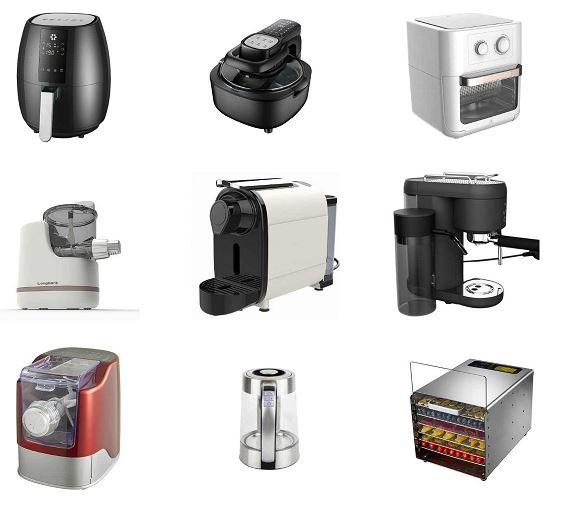
- A kitchen appliance with no replacement parts
That £40 “deal” quietly becomes a £200+ mistake.
5. Who Best Sellers Are Actually For (Few People)
Best sellers make sense for:
- One-time use
- Temporary solutions
- Occasional, light duty
- People who don’t care about longevity
- People who will upgrade soon anyway
If you want:
- reliability
- long-term ownership
- resale value
- upgrade paths
- fewer replacements
You are not the target customer.
Most buyers assume they are.
They aren’t.
6. Better Alternatives
Here’s the rule that saves money:
Buy from brands that are NOT racing to be the cheapest.
Safer options usually mean:
✔ Mid-tier brands with parts support
Not the cheapest.
Not the premium luxury.
The ones that:
- sell spare parts
- support older models
- offer standard accessories
✔ Platforms with upgrade paths
Tools, electronics, and gear where:
- batteries work across models
- accessories are universal
- newer versions stay compatible
✔ Products with boring design
If it looks exciting but costs less than expected — it’s usually built cheap.
Boring often means durable.
✔ Fewer bundled gimmicks
Avoid:
- “free accessories”
- inflated bundle value
- fake RRP comparisons
If you’re buying today, the safer option is almost always the second or third best seller, not the #1.
That’s where quality starts to appear.
7. Quick Buyer Checklist (Skimmable Trust Builder)
Before buying any Best Seller, check:
- Does the brand sell spare parts?
- Are batteries/accessories universal?
- How old is the model?
- What do 1-star reviews complain about?
- Are people replacing it often?
- Is there a mid-price alternative?
- Does it require consumables or subscriptions?
If you can’t answer these — you’re guessing.
8. Common Traps & Sales Tactics
Best sellers are engineered to convert — not to last.
Watch for:
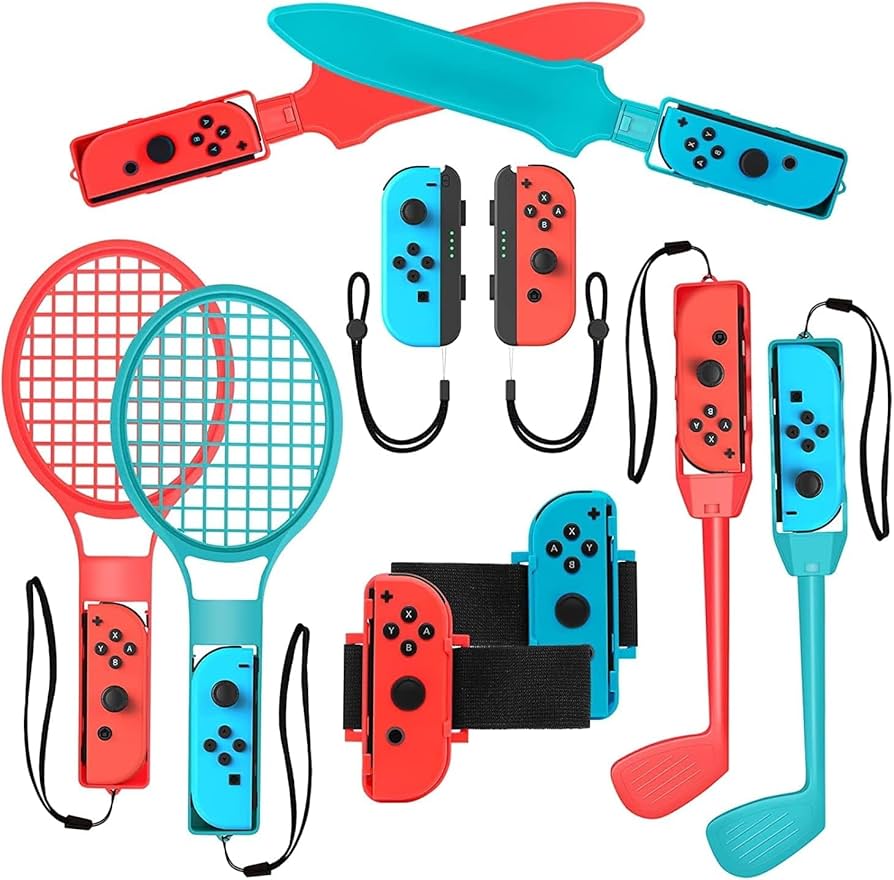
• Fake bundles
“£89 value — now £39”
Usually junk accessories to inflate perceived savings.
• Spec baiting
High wattage.
High RPM.
High capacity.
Real-world performance often tells a different story.
• Time pressure
“Limited time deal”
“Only 3 left”
Psychological tricks — not real scarcity.
• Review dilution
Thousands of mixed product variants under one listing — hiding bad versions under good reviews.
9. When It Makes Sense (Rare Case)
Buying the best seller is fine if:
- It’s disposable
- It’s a backup
- You’re testing a category
- You don’t care about lifespan
- You’ll upgrade soon anyway
If it’s something you’ll rely on weekly or daily —
Best Seller is usually the wrong choice.
10. Final Warning (Strong Close)
Most people don’t realise they made a mistake until:
- it breaks
- it needs accessories
- support disappears
- replacement parts don’t exist
- the return window is long gone
That’s how Best Sellers keep selling.
They look like the smart choice.
They feel like the safe choice.
They often become the most expensive choice.
If you want fewer regrets, fewer replacements, and lower long-term costs:
Avoid the #1 Best Seller.
Buy the smarter alternative instead.
That’s how people who actually save money shop.
 Modern Fixes
Leave a comment