
Buy nice, or buy twice.
High-Click Hook
It looks like a bargain.
It feels like a smart buy.
You think you’ve saved money.
Then the bills start.
And this is where most people get blindsided.
Some products don’t just cost more over time.
They quietly bleed your wallet year after year.
In many cases, owners end up spending 2x, 3x — even 5x the purchase price just to keep them running.
Not after abuse.
Not after decades.
During completely normal ownership.
Cheap upfront.
Expensive forever.
These are the products that quietly drain your money through:
• replacement parts
• consumables
• subscriptions
• service visits
• specialist labour
• proprietary accessories
They look like deals.
They behave like financial traps.
If you own any of these — or are about to buy one — read this before you regret it.
Why This Becomes Expensive
This isn’t bad luck.
It’s how many modern products are designed.
Manufacturers often:
• Sell hardware at or near cost
• Lock you into proprietary consumables
• Force certified servicing
• Add software paywalls
• Use sealed, non-repairable parts
• Make DIY impossible
• Shorten component lifespan on purpose
This creates a product that is cheap to buy — and expensive to keep alive.
It’s not a coincidence.
It’s a business model.
This is where most buyers get trapped.
How the Costs Snowball
Here’s how a “cheap” product quietly turns into a money pit:
Initial price: £300
Annual consumables: £150
Service visit: £120
Replacement parts: £200
Accessories: £100
Subscription: £80/year
After just three years?
You’ve spent more maintaining it than buying it.
Many owners don’t realise this until they look back at their bank statements.
That’s when the regret hits.
What Happens After Warranty (3, 5, 7+ Years)
After 3 Years
• Consumables dominate costs
• First part failures
• More service visits
• Software issues appear
• Subscriptions become unavoidable
After 5 Years
• Major wear items
• Compatibility problems
• Discontinued parts
• Forced upgrades
• Repair vs replace decisions
After 7+ Years
• Manufacturer support ends
• Dealer-only repairs
• Repairs exceed resale value
• Owners stop fixing issues
• Total ownership cost explodes
This is where “cheap” becomes financially toxic.
Common Warning Signs
If a product has these traits, expect high lifetime costs:
• Uses proprietary consumables
• Requires certified servicing
• Needs frequent replacement parts
• Has subscriptions for basic features
• Sealed or non-repairable design
• Locked accessories
• No third-party alternatives
• Designed for replacement, not repair
If you see more than two of these, walk carefully.
Now let’s get into the products that burn wallets.
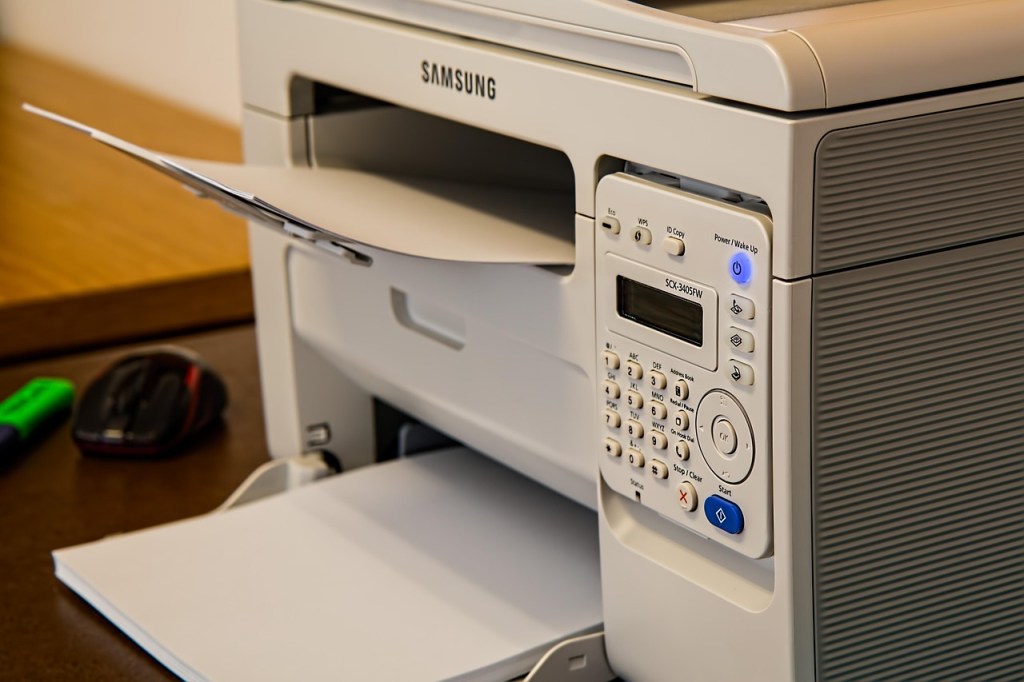
Product #1: Cheap Inkjet Printers
Purchase price: £40–£90
Real-world ink spend: £300–£1,200+
This is one of the worst money traps in consumer tech.
Many owners spend 10–15x the printer price in ink.
Why It’s a Money Pit:
• Tiny ink cartridges
• Forced replacement even when not empty
• Chip-locked cartridges
• Wasted ink during cleaning cycles
• Printer blocks third-party ink
Real Costs:
• Black cartridge: £15–£30
• Colour set: £40–£80
• Annual ink: £120–£300
• Printer replaced every 3–5 years
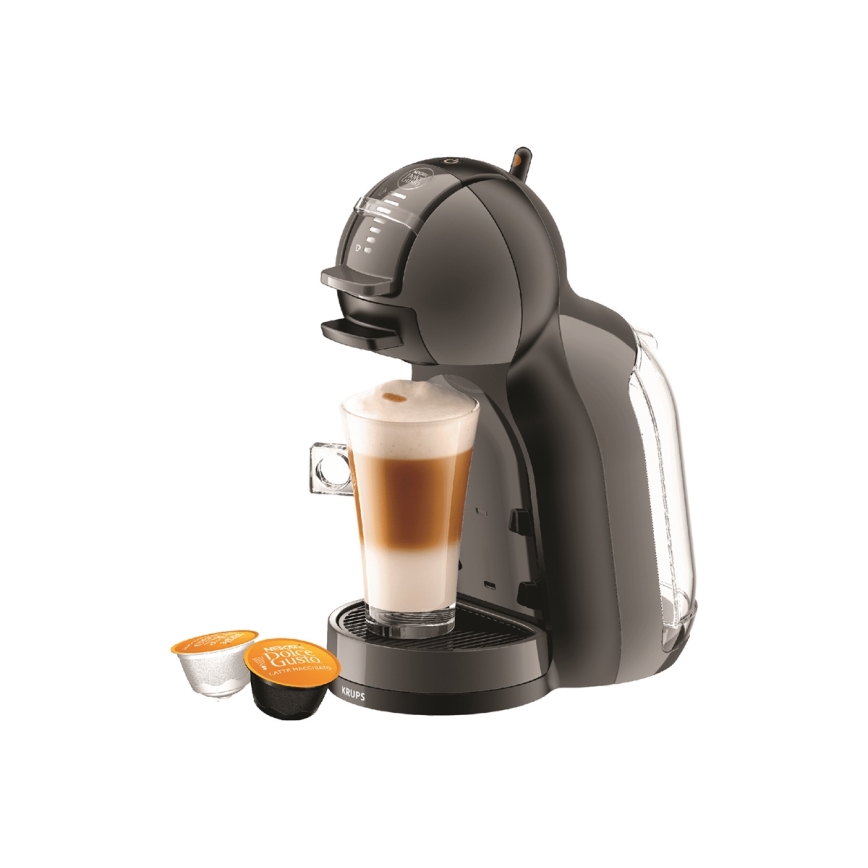
Product #2: Budget Espresso Machines
Purchase price: £80–£250
Lifetime maintenance: £400–£1,500+
Cheap coffee machines look affordable.
They rarely are.
Why It Gets Expensive:
• Scale buildup
• Pump failures
• Seal wear
• Group head problems
• Frequent descaling
• Labour-heavy servicing
Real Costs:
• Descaling products: £20–£60/year
• Replacement pump: £80–£150
• Professional service: £100–£250
• Machine replaced every few years
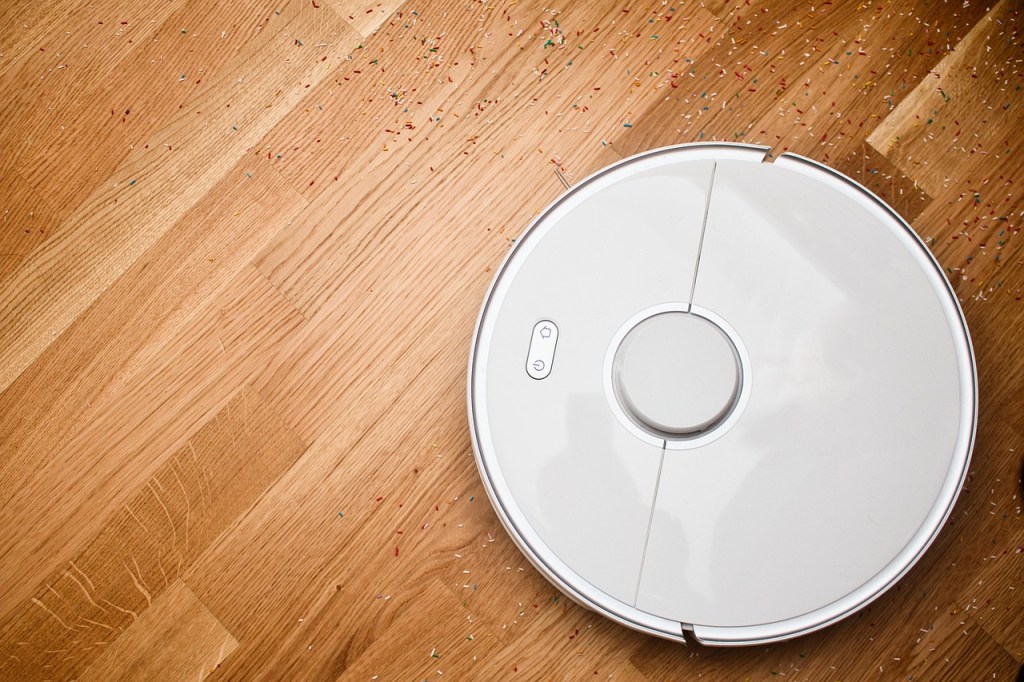
Product #3: Low-End Robot Vacuums
Purchase price: £120–£300
Lifetime parts spend: £300–£900+
Low-end robot vacuums wear out fast.
Why It Gets Expensive:
• Brush roll wear
• Filter clogging
• Sensor contamination
• Battery degradation
• Wheel and motor failures
Real Costs:
• Battery: £40–£120
• Brush kits: £20–£50
• Filters: £15–£40
• Annual parts: £80–£200
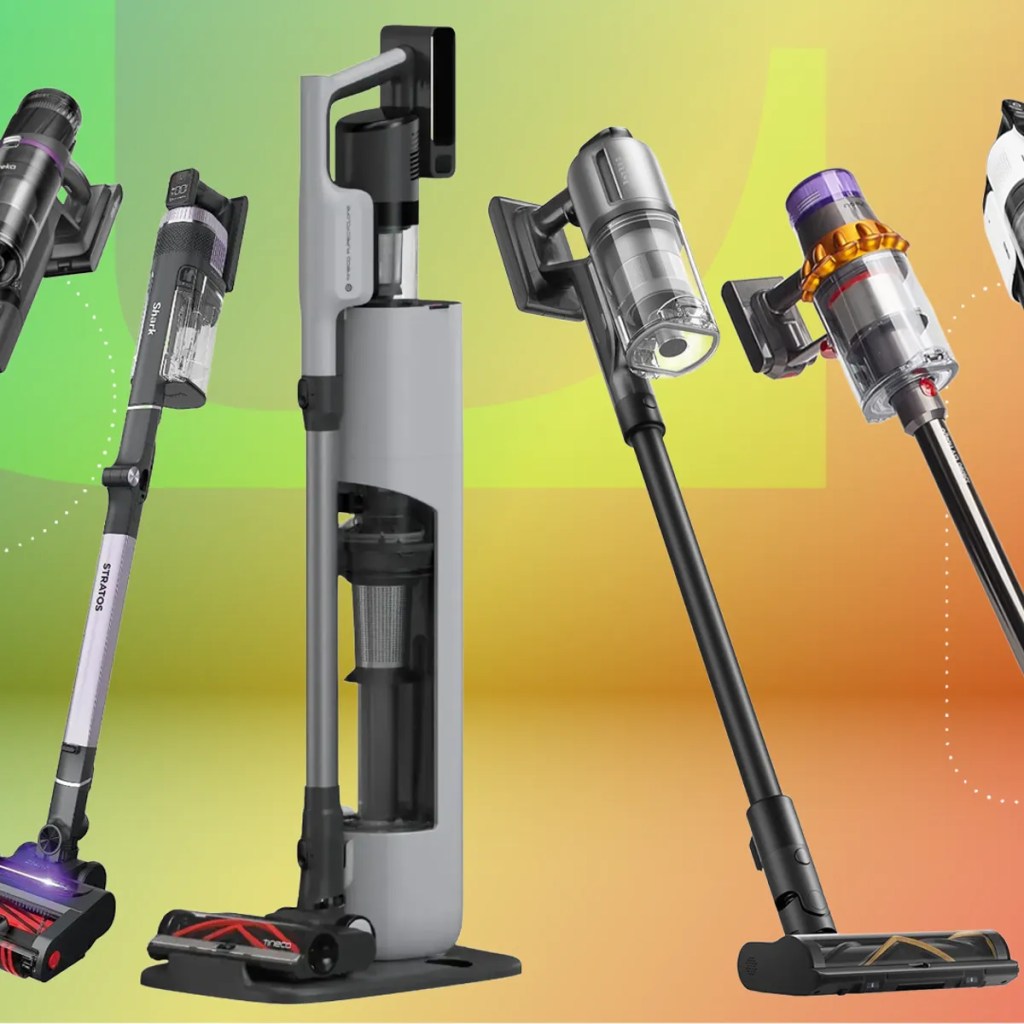
Product #4: Cheap Cordless Stick Vacuums
Purchase price: £100–£250
Lifetime battery + parts: £300–£800+
This is one of the biggest hidden cost traps.
Why It Gets Expensive:
• Batteries degrade quickly
• Replacement packs are expensive
• Filters clog fast
• Motors fail
• Units are not designed to be repaired
Real Costs:
• Battery: £60–£150
• Filters: £20–£50/year
• Replacement heads: £50–£120
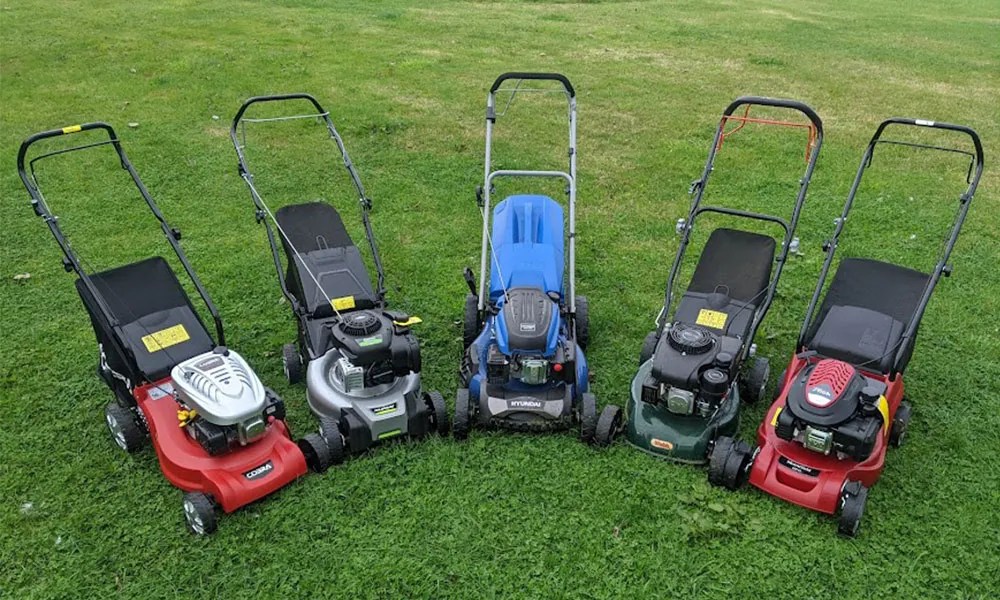
Product #5: Budget Petrol Lawn Mowers
Purchase price: £150–£300
Lifetime servicing + parts: £400–£1,000+
Petrol mowers look cheap.
They quietly drain money.
Why It Gets Expensive:
• Oil changes
• Spark plugs
• Air filters
• Carburettor problems
• Blade sharpening
• Fuel stabilisers
• Storage issues
Real Costs:
• Annual service: £80–£150
• Carb work: £60–£250
• Replacement blades: £25–£60
• Fuel + additives
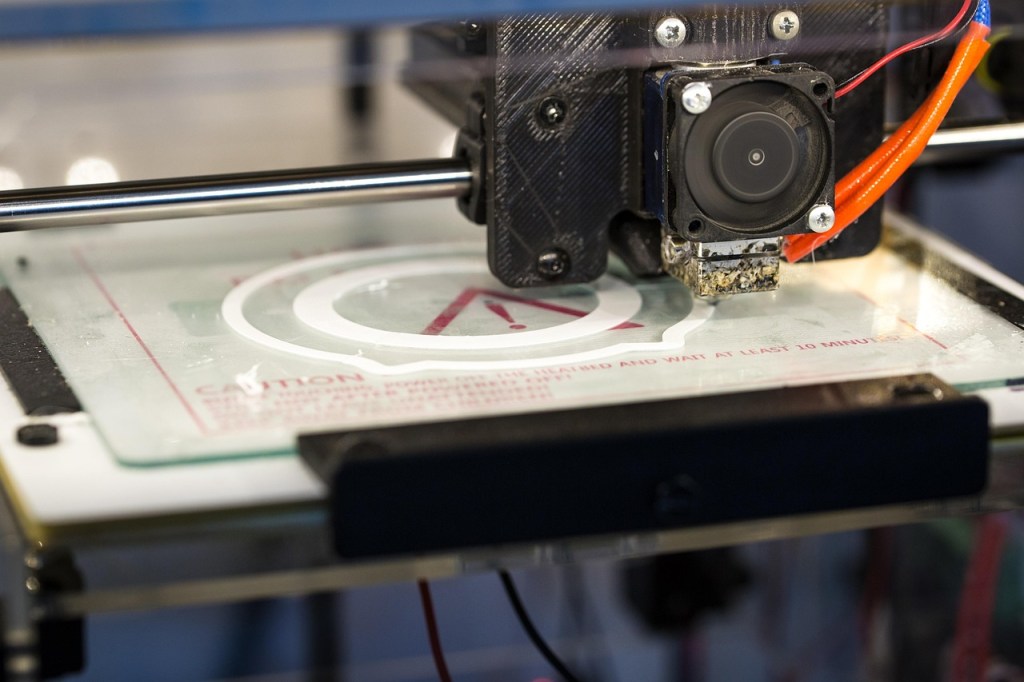
Product #6: Cheap 3D Printers
Purchase price: £150–£300
Lifetime upgrades + parts: £300–£1,200+
Hobby 3D printers are notorious money sinks.
Why It Gets Expensive:
• Nozzle clogs
• Hotend failures
• PTFE tube wear
• Bed adhesion products
• Constant upgrades
• Wasted filament
Real Costs:
• Nozzles: £5–£15 each
• Hotend: £40–£120
• Tubes: £10–£25
• Build plates: £20–£60
• Filament waste
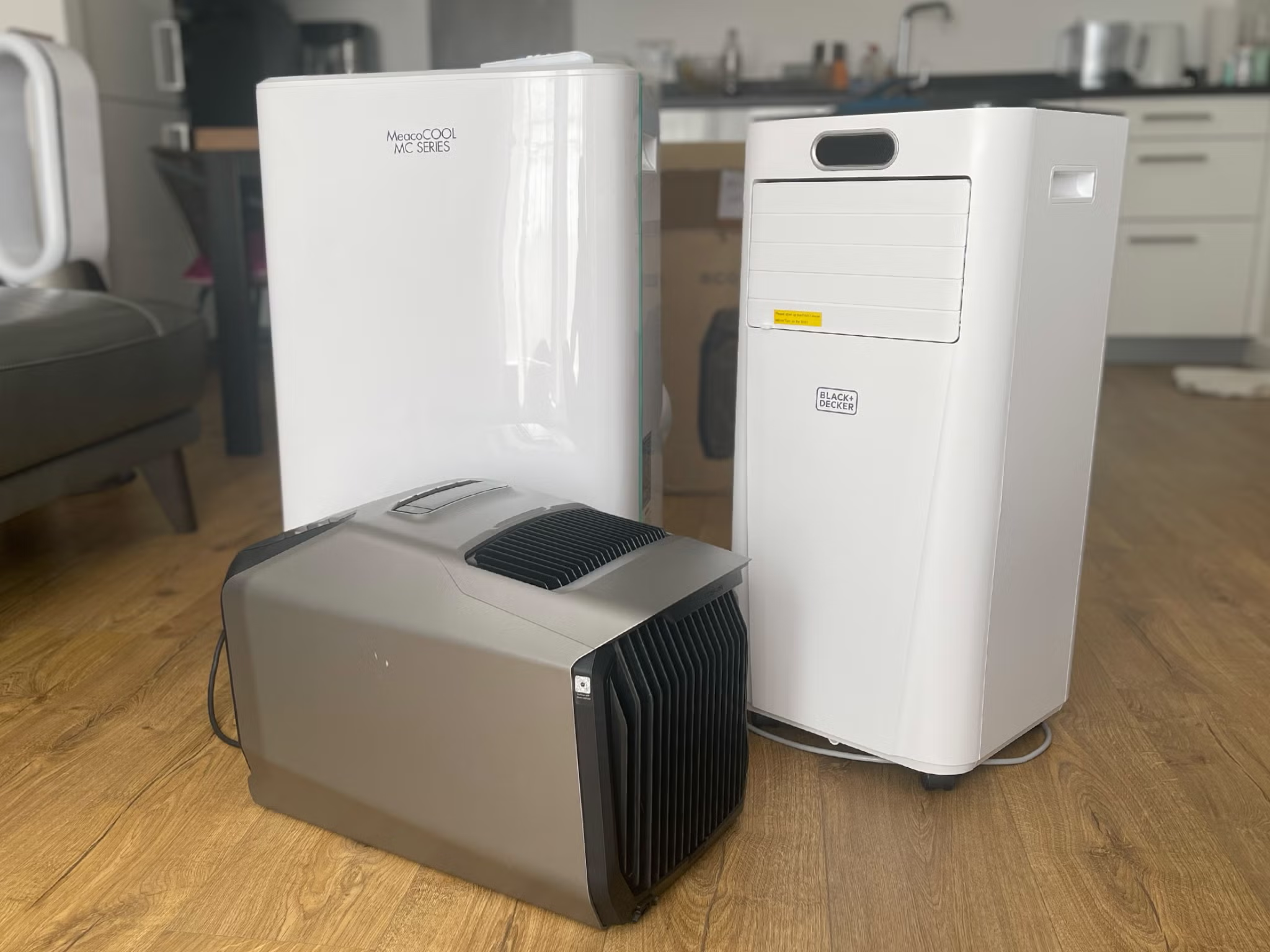
Product #7: Budget Portable Air Conditioners
Purchase price: £200–£400
Lifetime running + parts: £300–£1,000+
Portable AC units quietly drain money.
Why It Gets Expensive:
• Filter replacements
• Hose failures
• Condensate issues
• Poor efficiency
• High electricity usage
• Short lifespan
Real Costs:
• Filter replacements
• Hose kits
• Rising energy bills
• Repairs rarely worth it
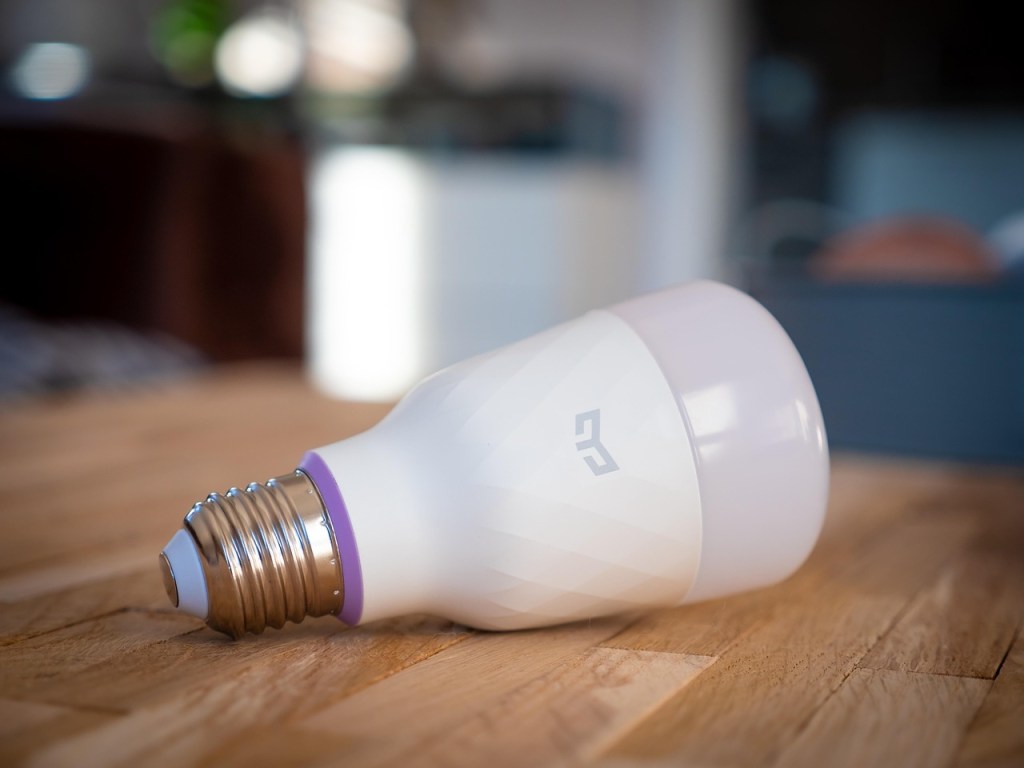
Product #8: Smart Home Devices With Subscriptions
Purchase price: £30–£150
Subscription costs: £100–£700+
This is one of the most underestimated traps.
Why It Gets Expensive:
• Cloud storage fees
• Premium features locked
• Reduced functionality without payment
• Forced hardware upgrades
Real Costs:
• £3–£10/month
• £36–£120/year
• Multiple devices stacking fees
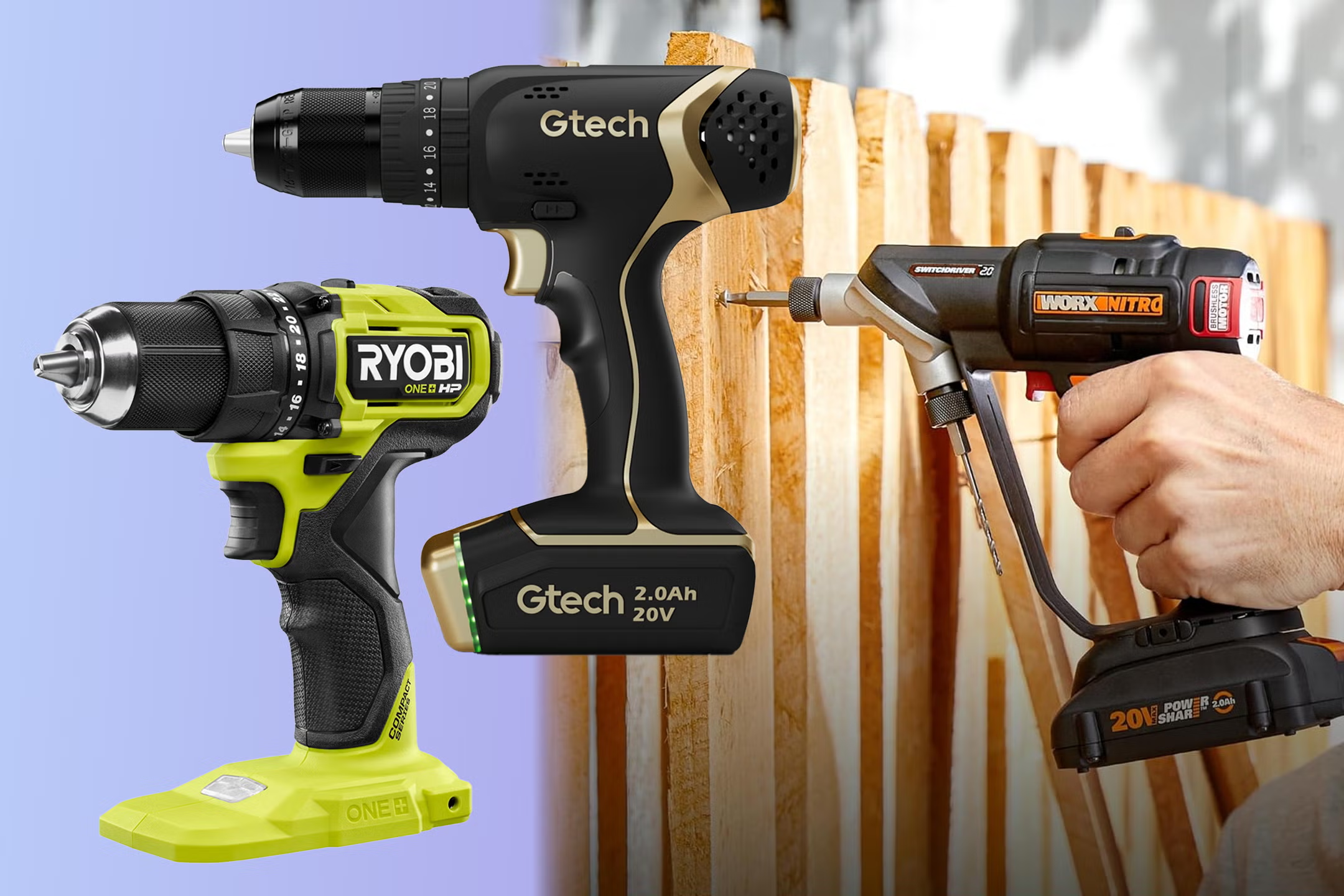
Product #9: Cheap Cordless Power Tools
Purchase price: £40–£120
Battery replacements: £150–£500+
The tool is cheap.
The batteries are not.
Why It Gets Expensive:
• Battery degradation
• Proprietary battery packs
• Charger failures
• No repair ecosystem
Real Costs:
• Battery pack: £40–£120 each
• Multiple replacements
• Tool replaced instead of repaired
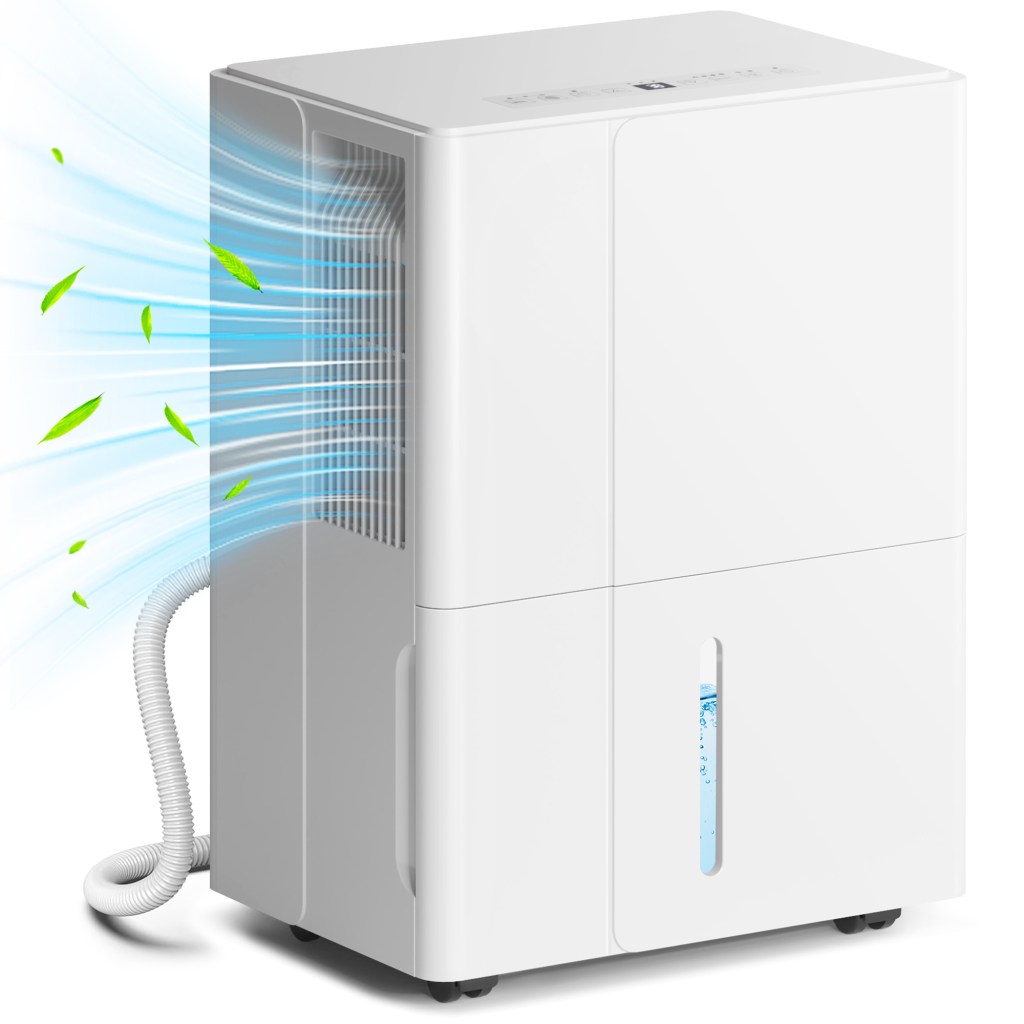
Product #10: Budget Dehumidifiers
Purchase price: £80–£200
Lifetime running + repairs: £250–£700+
Why It Gets Expensive:
• Filter replacements
• Compressor wear
• Fan motor failures
• High energy consumption
• Short lifespan
Real Costs:
• Filters
• Rising electric bills
• Repairs not economical
What It Usually Costs (Realistic Bands)
Low-Level Maintenance:
£50 – £150/year
Moderate Maintenance:
£150 – £400/year
High Maintenance:
£400 – £1,000+/year
Over 3–5 years, many owners spend more maintaining than buying.
How to Avoid or Reduce the Damage
Smart buyers protect themselves by:
• Choosing refillable systems
• Avoiding proprietary consumables
• Skipping subscriptions
• Buying repairable designs
• Choosing brands with long support
• Checking consumable pricing first
• Avoiding sealed battery products
• Reading long-term owner complaints
• Factoring energy costs
• Buying fewer, higher-quality products
Upfront price is only part of the cost.
Products, Tools & Services
These purchases often save serious money:
• Refillable ink systems
• Laser printers instead of inkjets
• Universal vacuum filters
• Replacement battery testers
• Reusable coffee filters
• Bulk descaling kits
• Universal power tool battery adapters
• Energy usage monitors
• Preventative maintenance kits
Spending £20–£50 now can prevent £200–£1,000 mistakes.
When to Walk Away
It’s time to replace when:
• Consumables exceed replacement cost
• Repairs hit 40–50% of new price
• Parts are discontinued
• Subscriptions exceed product value
• Energy costs spike
• Manufacturer support ends
At that point, you’re feeding a money pit.
Final Click Reinforcement
This is the mistake most buyers make:
They shop by purchase price.
Manufacturers profit from lifetime costs.
That’s how cheap products turn into:
Long-term financial drains.
The smartest money move isn’t finding the cheapest product.
It’s finding the cheapest product to own.
Most people only learn that
after they’ve already paid for it.
 Modern Fixes
Leave a comment